
Install Outdoor Handrail
About This Guide
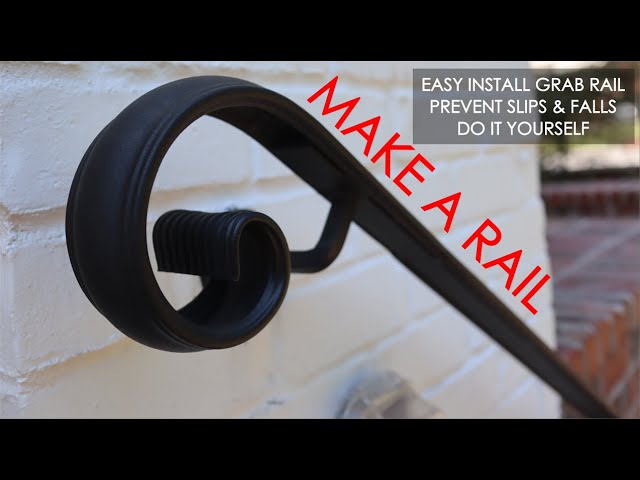
This project outlines the steps for installing a surface mount handrail on outdoor concrete steps. It covers selecting the appropriate handrail and hardware, preparing the concrete surface, marking and drilling holes, and securely mounting the handrail.
Assembled from 10 on-camera clips by 10 independent creators demonstrating these exact steps.
Tools & Materials
VEVOR Outdoor Stair Railing Alloy Metal Hand Railing Fit 1 or 2 Steps Flexible Transitional Handrail Outdoor Stair Rail
VEVOR Outdoor Stair Railing Alloy Metal Hand Railing Fit 1 or 2 Steps Flexible Transitional Handrail Outdoor Stair Rail
Steps

Select Handrail and Hardware
Select a handrail material that is durable and resistant to outdoor elements. Consider the style that best complements your home's exterior. Ensure the mounting hardware, such as brackets and fasteners, is also rated for outdoor use and is appropriate for concrete installation. Check local building codes for any specific requirements regarding handrail height, grip diameter, and spacing.

Determine Handrail Placement
Measure and mark the vertical and horizontal positions for the handrail. Typically, handrails are installed between 34 to 38 inches above the tread nosing. Use a level to ensure the marks are consistent across all steps where the handrail will be installed. Consider the slope and contour of the steps to ensure a continuous and ergonomic grip.

Drill Pilot Holes in Concrete
Select a masonry drill bit that matches the diameter specified for your chosen concrete anchors. Use a hammer drill for efficient drilling into the concrete. Drill to the depth recommended by the anchor manufacturer, ensuring the holes are perpendicular to the surface for a secure fit.
Install Concrete Anchors
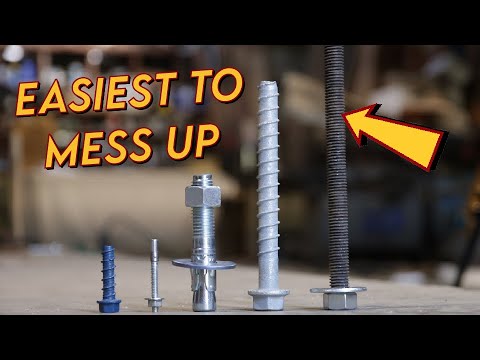
Depending on the type of anchor (e.g., expansion anchors, wedge anchors, or screw anchors), follow the specific installation method. For expansion anchors, tap them into the hole and then tighten the bolt or nut to expand the anchor. For screw anchors, drive them into the hole using the appropriate tool. Ensure anchors are flush with or slightly below the concrete surface.

Attach the Handrail to Brackets
Carefully place the handrail onto the brackets, ensuring it aligns with any pre-drilled holes or mounting points on the rail and brackets. Use the screws or bolts recommended by the handrail manufacturer to fasten the handrail to each bracket. Tighten all connections firmly but avoid overtightening, which could strip threads or damage the handrail.

Frequently Asked Questions
What is the most critical tool for drilling into concrete steps, and are there acceptable alternatives?
A rotary hammer drill, like the DEWALT SDS-PLUS model listed, is highly recommended for efficiently and effectively drilling into concrete. Standard hammer drills can be used but are often much slower and more fatiguing for this task. Always use carbide-tipped masonry drill bits specifically designed for concrete.
What safety precautions should I take when installing a handrail into concrete?
Always wear personal protective equipment (PPE) including safety glasses, hearing protection, and a dust mask when drilling concrete. Ensure your work area is clear of obstructions and that you have a stable footing. Take breaks to avoid fatigue, especially when using power tools.
Is the estimated 6-hour completion time realistic for a beginner, and what could make it take longer?
The 6-hour estimate is achievable for beginners, especially with proper preparation and the right tools. However, factors like encountering unexpected rebar, difficulty aligning holes, or needing to patch and redrill can extend the project time significantly. First-time concrete drilling might also take longer as you get accustomed to the technique.
How do I ensure the handrail is securely mounted and won't wobble after installation?
Ensure you use the correct type and size of concrete anchors (like Tapcon or larger diameter hex-washer-head anchors) specified for your handrail and local codes. Drill holes to the precise depth and diameter recommended by the anchor manufacturer. After installation, apply firm pressure to the handrail from multiple directions to test for any movement or instability.
What should I do if the drilled holes are slightly misaligned or if the concrete cracks during drilling?
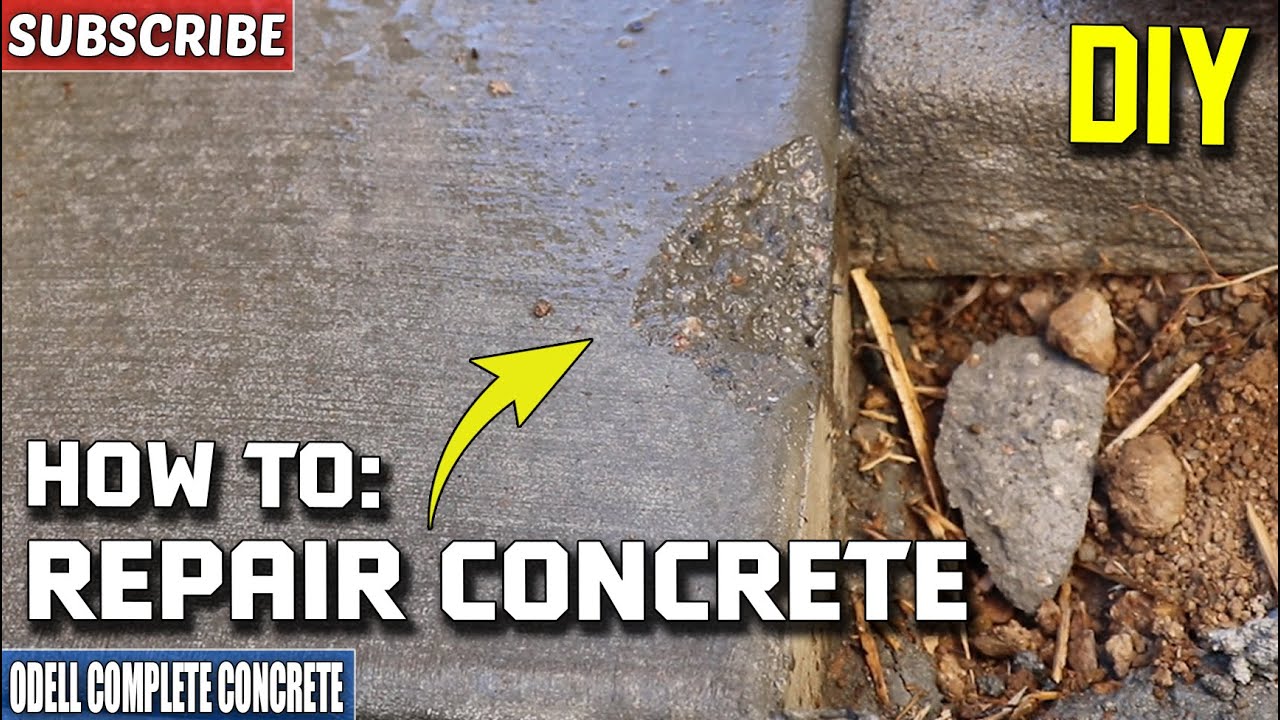
For minor misalignment, you might be able to slightly adjust the bracket or use washers to compensate. If a hole is significantly off or if concrete cracks, you may need to patch the area with a concrete repair epoxy and redrill a new hole once the patch has fully cured. To prevent cracking, drill slowly and steadily, clearing dust regularly, and avoid excessive force.
How do I determine the correct height and placement for the handrail, and are local codes a concern?
Handrail height is often regulated by local building codes, typically falling between 34 to 38 inches measured vertically from the leading edge of the stair tread (nosing). Always consult your local building department or an inspector before starting to ensure your installation meets all safety and code requirements. Proper placement is crucial for accessibility and safety.
Questions about your project or which product fits? Oak Valley Designs's team is happy to help. Mon–Fri 9–5 ET


Subscribe for exclusive updates
Be the first to know about promotions, new products, and sales.