
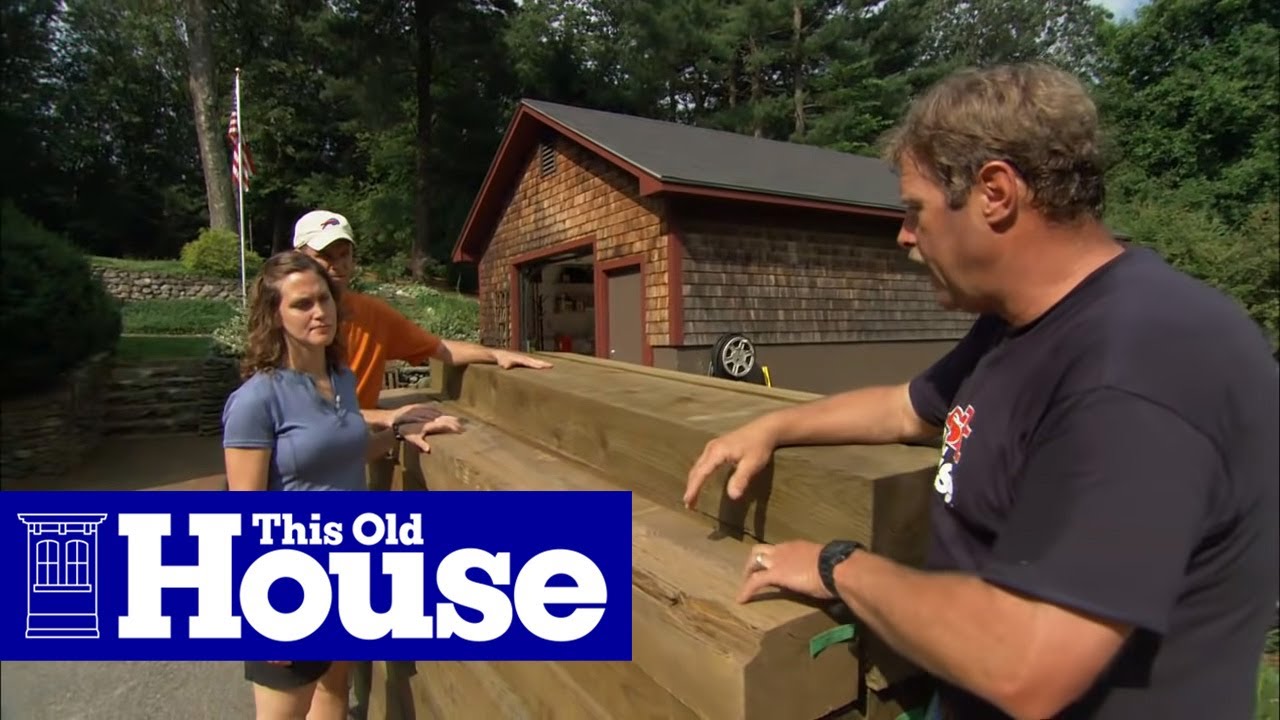
Landscape Steps
About This Guide
This project involves constructing timber and gravel steps on a slope to improve accessibility and aesthetics. The process includes planning the layout, excavating the area, building retaining walls for each step using timber, and filling the steps with compacted gravel for a durable and functional surface.
Assembled from 12 on-camera clips by 10 independent creators demonstrating these exact steps.
Tools & Materials
Fiskars Iso Core 5 lbs. Forged Steel 36 in. Pickaxe with Fiberglass Core Handle 751210-1003
Fiskars Iso Core 5 lbs. Forged Steel 36 in. Pickaxe with Fiberglass Core Handle 751210-1003
Steps

Plan and Mark Layout
Determine the desired height and depth of each step. Mark the desired location for the first step on the slope. Use a level to ensure the tread is horizontal and the riser is vertical. Outline the area for the first step and mark the positions for the timber retaining walls. Repeat this process for each subsequent step, ensuring consistent rise and run.

Excavate for First Step
Excavate the area marked for the first step. The depth should be sufficient to accommodate the timber depth plus a few inches for drainage and compaction. Create a level base for the timber to rest on. Dig a trench where the retaining timbers will be placed, ensuring they will be flush with or slightly below the final desired step height.

Fill Step with Gravel
Fill the remaining excavated area with gravel, bringing it up to the desired level of the step tread. Ensure the gravel is slightly higher than the retaining timbers to allow for settling and drainage. Compact the gravel in layers using a hand tamper or plate compactor to achieve a firm and level surface.


Frequently Asked Questions
Do I really need a plate compactor for the gravel steps, or can I compact it manually?
A plate compactor (like the Tomahawk Power eJXPC50 listed) significantly speeds up and improves compaction, which is crucial for step stability and preventing settling. While manual tamping is possible for small areas, a power compactor is highly recommended for a durable, long-lasting surface, especially for multiple steps. Inadequate compaction can lead to uneven surfaces and drainage issues over time.
What are the most important safety considerations when working on a sloped area with heavy timbers and excavation?
Always wear appropriate personal protective equipment, including work gloves, safety glasses, and sturdy boots. Be mindful of unstable soil during excavation and never work alone. When handling heavy timbers, use proper lifting techniques or get assistance to prevent back injuries, and ensure timbers are securely anchored before applying weight or stepping on them.
The project says 'beginner' difficulty, but 4 days seems like a long time. Is it really beginner-friendly, and what makes it take so long?
While the individual tasks are beginner-friendly in terms of skill, the 'beginner' rating refers more to the required skills than the physical effort or time commitment. The 4-day estimate accounts for significant manual labor, including extensive excavation, handling heavy timbers, and compacting multiple layers of material. Planning and ensuring precise leveling for each step are also time-consuming but crucial for a professional and safe finish.
What are common mistakes beginners make when building timber steps, and how can I avoid them?
A common mistake is inadequate preparation, leading to uneven steps or poor drainage. Ensure your layout is precise and each timber is perfectly level both front-to-back and side-to-side. Another error is insufficient compaction of the base and gravel layers, which can cause steps to sink or shift over time. Spend extra time on these foundational steps to prevent future problems.
Can I use different types of wood for the retaining timbers, or is pressure-treated essential for longevity?
Pressure-treated timber (like the 4x4s listed) is highly recommended for its resistance to rot and insects, which is crucial for ground contact and longevity in outdoor environments. While other woods might be cheaper upfront, they will deteriorate much faster, requiring replacement sooner. If using non-pressure-treated wood, consider applying a suitable wood preservative designed for ground contact and outdoor use.
The materials list includes both decomposed granite and crushed gravel. Do I need both, and what's the purpose of each?
Yes, both materials serve distinct purposes for optimal step construction. Decomposed granite (crushed rock fines) is often used as a compactable base layer, providing a stable foundation and improving drainage. The 3/8 inch crushed gravel then forms the durable, permeable walking surface that prevents pooling, offers good traction, and complements the aesthetics. Using both contributes to the stability, drainage, and finished look of your steps.
How important is drainage for these steps, especially on a slope, and how do I ensure it?
Proper drainage is critical to prevent water erosion, timber rot, and step instability, especially on a slope. Ensure each step has a slight forward pitch (about 1/8 inch per foot) to encourage water runoff away from the step faces. Additionally, good compaction of all fill materials aids in shedding water effectively and preventing water from saturating the step structure.
Questions about your project or which product fits? Oak Valley Designs's team is happy to help. Mon–Fri 9–5 ET

Subscribe for exclusive updates
Be the first to know about promotions, new products, and sales.