
Measure Total Staircase Height (Method 1)
From How to Measure Basement Stairs with Uneven Steps · Step 6 of 6 · Video by MS tiles and marble fitting
Showing 0:43–1:29 of the source video. Watch the full video with every moment.
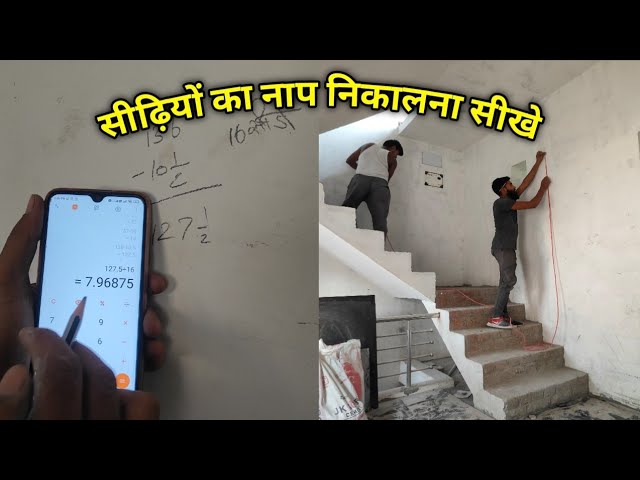
What happens in this clip
With the laser level providing a horizontal reference on the top landing, the presenter uses a measuring tape to measure the total vertical height from this reference line down to the finished bottom floor level. He notes that the bottom floor already has granite installed, so the measurement is taken directly from its surface. This single measurement gives the total vertical rise of the entire staircase.
Goal: Obtain the total vertical height of the staircase
What's used
Tools
- Measuring Tape
About the full video
This project provides a detailed guide on how to accurately measure for the installation of granite treads and risers on a staircase. It covers two primary methods: direct measurement using a laser level and tape measure, and an alternative method using a water level for more complex layouts. The process emphasizes calculating the uniform height of each riser to ensure a consistent and safe staircase.
Step 6 of 6: Document All Measurements
Consolidate all the measurements taken in the previous steps (individual rises, individual runs, plumb/level checks, total rise, total run) into a single document or spreadsheet. Clearly label each measurement with the step number or location. This organized data will be essential for determining the extent of the unevenness, identifying problem steps, and planning the most effective repair or leveling strategy.
Every video in How to Measure Basement Stairs with Uneven Steps
Step 1: Inspect the Stairs for Visible Unevenness
Step 2: Measure the Rise of Each Step
Step 3: Measure the Run of Each Step
- 0:00–0:03 Measure Individual Stair Components
- 2:54–4:47 Measure Straight Stairs
- 0:52–2:34 Measuring Rise and Run
Step 4: Check for Plumb and Level of Treads and Risers
- 0:19–0:51 Level and Align Installed Riser
- 2:22–2:42 Diagnose Stair Fit Problems and Causes
- 12:00–14:21 Check Tread Level and Stringer Fit
Step 5: Measure Overall Staircase Dimensions
- 0:04–0:28 Measure Total Rise
- 1:05–3:09 Determine Staircase Dimensions
- 0:04–0:30 Measure Total Rise
Step 6: Document All Measurements
- 0:01–0:28 Measure Total Vertical Rise
- 0:54–1:25 Calculate Final Total Rise
- 0:43–1:29 Measure Total Staircase Height (Method 1) (this video)
Questions about How to Measure Basement Stairs with Uneven Steps
Why is it so important to measure each step individually and precisely?
Uneven stairs can be a significant tripping hazard, and precise measurements are crucial for effective leveling or repair. Small discrepancies in rise or run can impact safety and comfort. This detailed data will guide accurate material cuts and ensure a consistent, safe staircase.
What are the most critical tools for this project, and why?
A reliable tape measure is essential for accurate lengths. A quality level helps verify plumb and level, identifying unevenness in treads and risers. A plumb bob is key for consistent vertical rise measurements. A bright flashlight is also vital for illuminating dark basement areas to ensure visibility and safety.
What should I do if my basement stairs are very dark, or if I suspect structural issues?
Always prioritize safety. Use a bright flashlight to ensure clear visibility and prevent trips. If you notice signs of significant structural damage like large cracks, rot, or shifting, consult a structural engineer or a licensed contractor before proceeding with any DIY repairs beyond just measuring.
How can I ensure my measurements are accurate and consistent?
Use the same measuring points for each step (e.g., always measure from the nosing to the nosing for run, and tread surface to tread surface for rise). Double-check each measurement and immediately record it on your whiteboard or notebook. Consider having a helper for consistency.
After measuring, what's the next step for fixing uneven stairs?
Once you have precise measurements, you can plan your repair strategy. This might involve shimming uneven treads, rebuilding risers, or using a self-leveling compound, depending on the cause and severity of the unevenness. You'll use these measurements to calculate material needs for your chosen repair method.
Can I use a smartphone app for leveling instead of a physical level?
While smartphone level apps can provide a general idea, they are typically not as accurate or reliable as a dedicated physical level for critical home improvement projects. For the precise measurements needed for stair repair, it is best to use a good quality physical level to ensure accuracy.
How do I record all these measurements effectively so I don't get confused?
Create a simple diagram of your stairs on the chalkboard/whiteboard. Label each step numerically and clearly record the rise, run, and any level or plumb deviations next to the corresponding step number. This visual aid will prevent confusion and make planning easier.
How to Measure Basement Stairs with Uneven Steps
Outline for measuring uneven basement stairs to prepare for leveling or repair. This involves identifying the extent of the unevenness and taking precise measurements of each step's rise and run to plan corrective actions.
Read the full guide Browse all guides
Planning this project? Shop Oak Valley Designs.

Subscribe for exclusive updates
Be the first to know about promotions, new products, and sales.