

How to Install Carpet Treads on Stairs with a Deep Nosing Overhang
About This Guide
This project outlines the steps for installing carpet treads on stairs that have a deep nosing overhang. It covers measuring, cutting, fitting, and securing the treads to ensure a safe and aesthetically pleasing result.
Tools & Materials
PURE ERA Bullnose Indoor Tape Free Non-Slip Gray 9.5 in. x 30 in. x 1.2 in. Polypropylene Carpet Stair Tread Cover (Set of 14)
PURE ERA Bullnose Indoor Tape Free Non-Slip Gray 9.5 in. x 30 in. x 1.2 in. Polypropylene Carpet Stair Tread Cover (Set of 14)
Steps
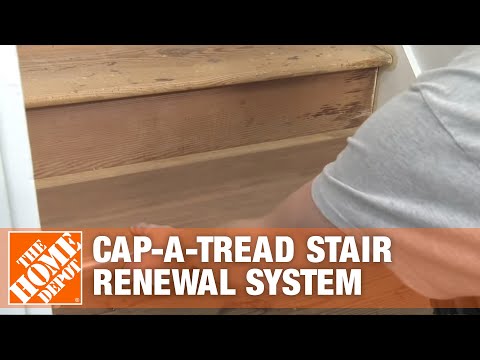

Cut Carpet Treads to Size
Using your recorded measurements, cut the carpet material for each tread. The cut piece should match the tread depth and extend to cover the nosing. If your carpet has a backing, ensure you cut through both the carpet pile and the backing cleanly. For a clean edge, you might consider cutting slightly larger and then trimming to fit precisely in the next step.
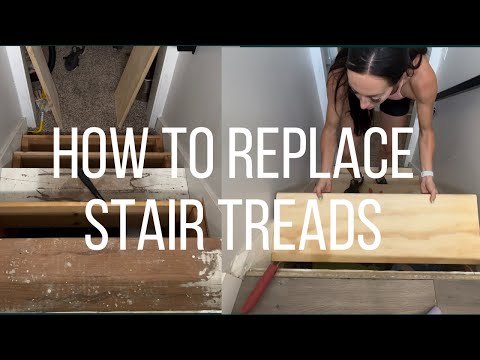
Dry Fit and Trim Carpet Treads
Place each cut carpet tread onto its intended stair to check the fit. Pay close attention to how it sits around the nosing and against the riser. Make any necessary small adjustments or trims to ensure the carpet lies flat and covers the tread area completely without bunching or leaving gaps. The goal is a precise fit that follows the contours of the stair.
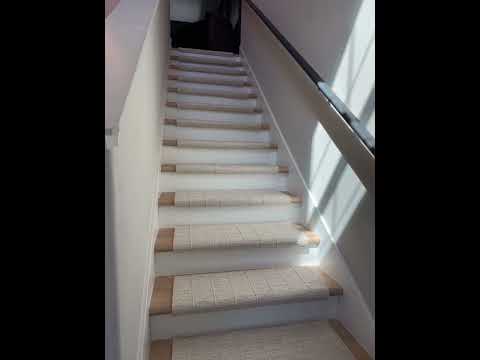
Apply Adhesive to Treads
Depending on the adhesive type, apply it either to the back of the dry-fit carpet tread or directly onto the stair tread surface. Ensure even coverage across the entire area that will contact the stair, paying special attention to the nosing. Use an adhesive recommended for carpets and wood or your specific stair material, and follow the manufacturer's instructions regarding application method and drying/tack time.

Install Carpet Treads
With the adhesive applied, carefully align the carpet tread with the stair tread. Press down firmly, starting from the back and working towards the nosing, to ensure full contact and adhesion. Apply even pressure across the entire surface, especially along the edges and over the nosing, to eliminate any air bubbles and create a strong bond. Use a roller or your hands to press firmly.
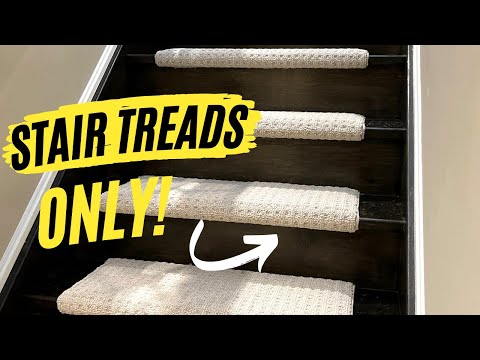
Secure Nosing Overhang
For carpets with a distinct nosing overhang, ensure the carpet is pressed firmly down over the front edge of the stair. The adhesive should hold it in place. If the carpet tends to lift, you may need to apply a bit more adhesive specifically to the underside of the nosing overhang before pressing the carpet down. Some systems might also use a small tack strip or staple in inconspicuous areas if the carpet type and adhesive allow, but this is often not necessary with good adhesive.
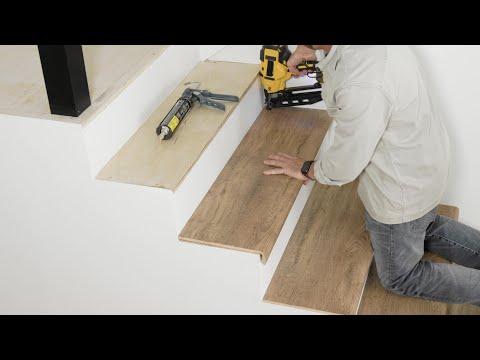
Allow Adhesive to Cure
After all carpet treads have been installed and pressed down, allow the adhesive to cure completely. Refer to the adhesive manufacturer's instructions for the recommended curing time. This typically ranges from 24 to 72 hours. During this period, avoid heavy foot traffic on the stairs to ensure the treads are securely bonded and do not shift.
Questions about your project or which product fits? Oak Valley Designs's team is happy to help. Mon–Fri 9–5 ET
Related Guides
See All



Subscribe for exclusive updates
Be the first to know about promotions, new products, and sales.