
Measure and Cut Carpet Tread
From How to Install Carpet Treads on Stairs with a Deep Nosing Overhang · Step 2 of 7 · Video by Direct Carpet
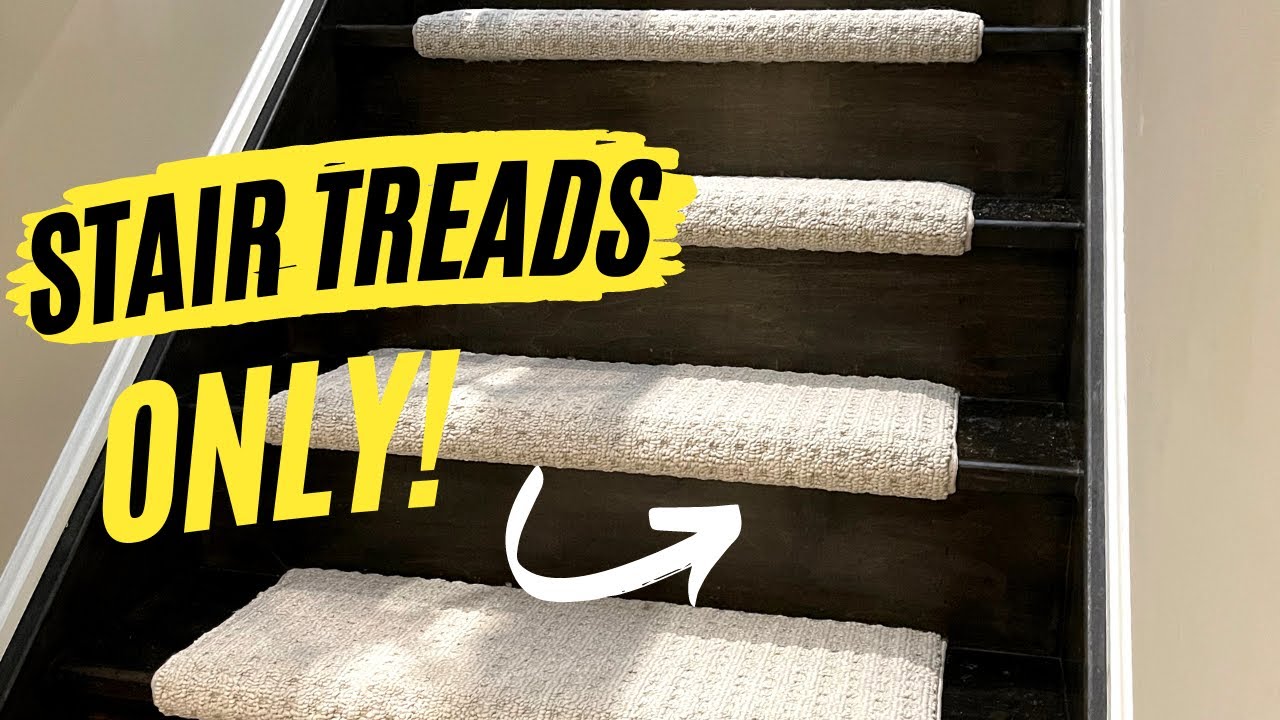
Showing 0:12–0:57 of the source video. Watch the full video with every moment.
What happens in this clip
Using a tape measure, accurately measure the width of the stair tread where the carpet will sit. The installer measures 12.5 inches. He then decides to add a half-inch to the measurement, cutting the carpet to 13 inches, to ensure a very snug fit, noting that a previous piece was 'a little tight.' Unroll the carpet and use scissors to carefully cut a straight line across the carpet, following the measured width.
Goal: Prepare a carpet piece of appropriate size for the stair tread.
What's used
Tools
- Scissors
- Tape Measure
Materials
- Carpet Roll
About the full video
This DIY project details the step-by-step process of installing carpet treads on a wooden staircase, covering everything from securing padding and precise carpet cutting to stapling and finishing the edges for a clean, professional look.
What's said in this clip
got 12 and a half exactly you know what we're going to do 13 on this one just the last one was a little tight so let's cut a 13 inch and we're going to try a 13 inch piece out
Automatically transcribed from the source video.
Step 2 of 7: Cut Carpet Treads to Size
Using your recorded measurements, cut the carpet material for each tread. The cut piece should match the tread depth and extend to cover the nosing. If your carpet has a backing, ensure you cut through both the carpet pile and the backing cleanly. For a clean edge, you might consider cutting slightly larger and then trimming to fit precisely in the next step.
Every video in How to Install Carpet Treads on Stairs with a Deep Nosing Overhang
Step 1: Measure Existing Tread Depth and Nosing
- 0:57–1:16 Measure Treads and Mark Laminate
- 0:46–1:05 Measure and Cut Underlayment
- 0:12–0:57 Measure and Cut Carpet Tread
Step 2: Cut Carpet Treads to Size
- 7:20–9:07 Measure and Cut Carpet
- 0:12–0:57 Measure and Cut Carpet Tread (this video)
- 2:09–3:19 Measure and Cut Carpet Pieces
Step 3: Dry Fit and Trim Carpet Treads
- 2:13–2:35 Test Fit and Adjust Treads
- 3:53–7:38 Trim Excess Carpet and Prepare Final Riser
- 0:57–2:36 Pre-form and Secure Carpet Underneath Tread
Step 4: Apply Adhesive to Treads
- 0:05–0:06 Apply Adhesive to Treads
- 0:34–0:46 Apply Carpet Adhesive to Stairs
- 0:16–0:21 Apply Peel-and-Stick Carpet Treads
Step 5: Install Carpet Treads
- 0:04–0:06 Install Carpet Treads
- 0:59–2:07 Install First Stair Tread
- 0:11–0:43 Install Remaining Carpet Stair Treads
Step 6: Secure Nosing Overhang
- 0:57–2:36 Pre-form and Secure Carpet Underneath Tread
- 1:19–1:59 Lay and Secure Carpet Sections (Repetitive)
- 12:05–14:25 Fold and Staple Carpet Over Next Nose
Step 7: Allow Adhesive to Cure
- 3:06–3:19 Project Completion
- 3:44–4:26 Final Curing and Caulking
- 0:31–0:38 Inspect and Finish Installation
Questions about How to Install Carpet Treads on Stairs with a Deep Nosing Overhang
How can I ensure clean, straight cuts when trimming the carpet treads to size?
For precise cuts, always use a sharp carpet knife with a fresh blade and a sturdy cutting mat. For edges that require more control or if you're working with thicker carpet, heavy-duty carpet shears can provide a cleaner, more controlled finish. Remember to measure twice and cut once to minimize waste.
What safety precautions should I take when installing carpet treads, especially with adhesives?
Always ensure good ventilation when working with carpet adhesives, as they can emit fumes; open windows and doors. Wear appropriate safety gear like gloves to protect your hands from adhesive and eye protection when cutting. Exercise extreme caution when using sharp tools like carpet knives on stairs to prevent slips and cuts.
My stairs have a deep nosing overhang; how do I ensure the carpet tread adheres properly and doesn't lift?
For deep nosings, ensure the carpet tread material is flexible enough to contour around the edge. Apply a quality carpet adhesive evenly across the tread and use a J-roller to firmly press the carpet into place, especially around the nosing. For added security under the very tip of the overhang, a small bead of construction adhesive can provide extra grip and prevent future lifting.
How difficult is it to get the carpet treads perfectly aligned and secure, especially for a beginner?
While considered a beginner project, careful measuring and thorough dry-fitting are crucial for proper alignment and a professional finish. The most time-consuming part is often making small, precise adjustments during the dry-fit stage to ensure each tread sits perfectly. Taking your time here will make the final adhesive application much smoother.
Can I use double-sided carpet tape instead of liquid adhesive for an easier installation?
While double-sided carpet tape offers a quicker installation, it may not provide the long-term durability and security needed for stair treads, especially on high-traffic stairs or those with deep nosings. For a truly secure, permanent installation that prevents shifting, bunching, and lifting over time, a dedicated carpet adhesive is highly recommended.
What's the difference between using pre-made stair tread covers and cutting my own carpet for treads?
Pre-made stair tread covers offer convenience, often come with finished edges, and typically simplify the installation process. Cutting your own treads from broadloom carpet allows for greater customization in size and material, and can be more cost-effective if you have remnant carpet. However, it requires more precise cutting and potentially edge finishing for a neat look.
How to Install Carpet Treads on Stairs with a Deep Nosing Overhang
This project outlines the steps for installing carpet treads on stairs that have a deep nosing overhang. It covers measuring, cutting, fitting, and securing the treads to ensure a safe and aesthetically pleasing result.
Read the full guide Browse all guides
Planning this project? Shop Oak Valley Designs.

Subscribe for exclusive updates
Be the first to know about promotions, new products, and sales.