
Initial Electrical Assessment at Wall Switch
From Reading Nook Conversion · Step 3 of 9 · Video by Fix This Build That
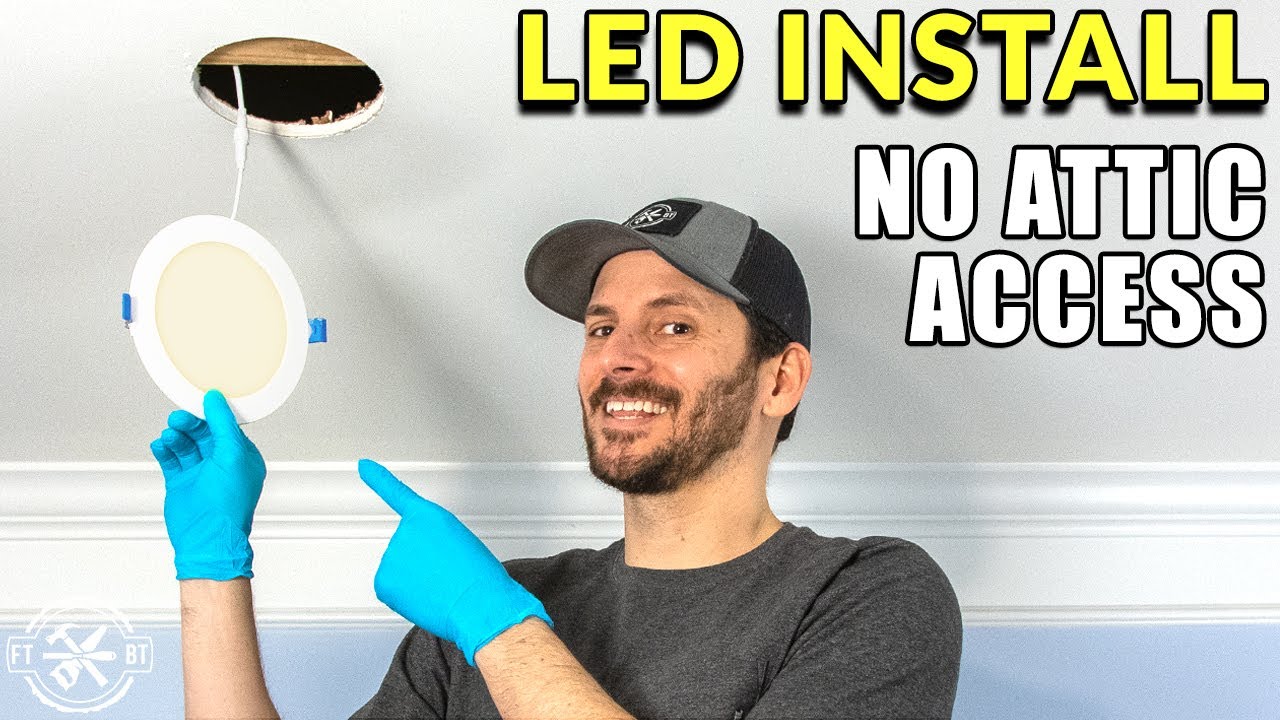
Showing 4:23–4:40 of the source video. Watch the full video with every moment.
What happens in this clip
Locate the wall switch that currently controls the existing lamp outlet. As a crucial safety measure, always shut off power to the circuit at the main breaker panel before proceeding with any electrical work. Once power is confirmed off, use a screwdriver to carefully remove the switch plate and expose the wiring behind it. The goal is to determine if the electrical wires are running 'up and over' (which would simplify the new lighting installation) or 'down and over' (which might indicate a more complex wiring path).
What's said in this clip
so i've got this switch here and it's going to the outlet that has the lamp on it so i've shut off the power make sure you shut off power before working with electricity and now i'm gonna take this off and see if the wires are running up and over or down and over if they're running up and over it's gonna make our life a lot easier but i'm almost certain they're running underneath i pulled the switch out and i looked up in there and the wires are actually going up which
Automatically transcribed from the source video.
Step 3 of 9: Assess Electrical Needs
Decide on the type and placement of lighting (e.g., overhead, wall sconces, reading lamp). Assess if existing electrical outlets are sufficient or if new ones need to be installed. Plan for how to power any desired fixtures or devices. Consult an electrician if you are unsure about any electrical modifications.
Every video in Reading Nook Conversion
Step 1: Clear the Closet
- 0:00–0:05 Clear Out Closet
- 0:00–0:13 Empty the Closet
- 0:00–0:03 Clear and Prepare Pantry Closet
Step 2: Inspect and Clean Walls
- 0:42–0:55 Clean and Degrease Walls
- 0:15–0:37 Clean and Dry the Wall
- 1:19–1:36 Clean Walls for Optimal Paint Adhesion
Step 3: Assess Electrical Needs
- 0:02–0:04 Plan Wall Layout and Electrical Wiring
- 5:58–8:49 Conduct an Electrical Walk-Through
- 4:23–4:40 Initial Electrical Assessment at Wall Switch (this video)
Step 4: Install Lighting
- 0:06–0:08 Install Lighting Fixtures
- 0:00–0:02 Install Ambient Recessed Ceiling Lights
- 1:34–3:25 Install Interior Electrical Fixtures
Step 5: Prepare Walls for Finishing
- 0:19–0:20 Apply Drywall Compound for Minor Repairs
- 0:00–0:12 Clean and Patch Walls
- 1:17–2:08 Remove Wall Hangings and Patch
Step 6: Paint or Wallpaper Walls
- 1:44–2:29 Apply New Wall Color
- 6:28–8:45 Paint the Walls
- 1:04–1:20 Apply Primer to Wall
Step 7: Install Shelving
- 5:57–8:16 Install Drywall Anchors
- 0:14–0:18 Measure and Mark Shelf Location
- 1:51–4:04 Install Mounting Clips
Step 8: Add Seating
- 1:31–2:35 Select and Position Main Seating
- 1:25–2:59 Incorporate Maximized Seating
- 0:56–3:00 Optimizing Space with Multi-functional Furniture
Step 9: Add Decorative Touches
- 0:20–0:26 Decorate and Final Touches
- 5:50–7:28 Add Personal Touches
- 7:11–7:29 Finishing Touches
Questions about Reading Nook Conversion
The project summary lists '4 minutes' as the estimated time, but it includes painting and electrical. Is this accurate?
The '4 minutes' refers specifically to the initial 'Clear the Closet' step, which is categorized under cleaning. The entire conversion, including wall prep, painting, electrical work, and adding furnishings, will take significantly longer, likely several hours to a full weekend, depending on your skill and the extent of modifications.
Besides basic household items, what specific tools are necessary for the electrical part of this project?
For safely installing the light fixture, you'll specifically need a wire cutter or stripper, a Phillips screwdriver, and crucially, a voltage/circuit tester to confirm power is off. Electrical tape is also listed as a material for insulating connections.
My under-stair closet walls are rough or have holes. How should I prepare them before painting or wallpapering?
After cleaning, use spackling and patching compound to fill any holes or smooth imperfections. Sand these areas once dry until smooth, then apply a coat of primer, especially if the walls are dark or stained, to ensure even paint coverage and better adhesion.
What are good strategies for making a small under-stair closet feel more spacious and functional as a reading nook?
Opt for floating shelves rather than bulky bookcases to save floor space. Choose compact, comfortable seating like a floor cushion or a small, armless chair. Using light paint colors and good lighting will also help the space feel brighter and more open.
I'm hesitant to do electrical work. Are there alternative lighting options for my reading nook?
Yes, you can use plug-in sconces, LED strip lights, or battery-operated puck lights. These options provide illumination without requiring permanent electrical installation. Ensure any plug-in lights have a convenient outlet nearby and can be safely routed.
Reading Nook Conversion
Transform an under-stair closet into a cozy and functional reading space by clearing, potentially modifying walls, adding lighting, comfortable seating, and shelving.
Read the full guide Browse all guides
Planning this project? Shop Oak Valley Designs.
Subscribe for exclusive updates
Be the first to know about promotions, new products, and sales.