Attach Support Blocks and Secure Wedges
From Squeaky Stair Repair · Step 6 of 7 · Video by Game of Life
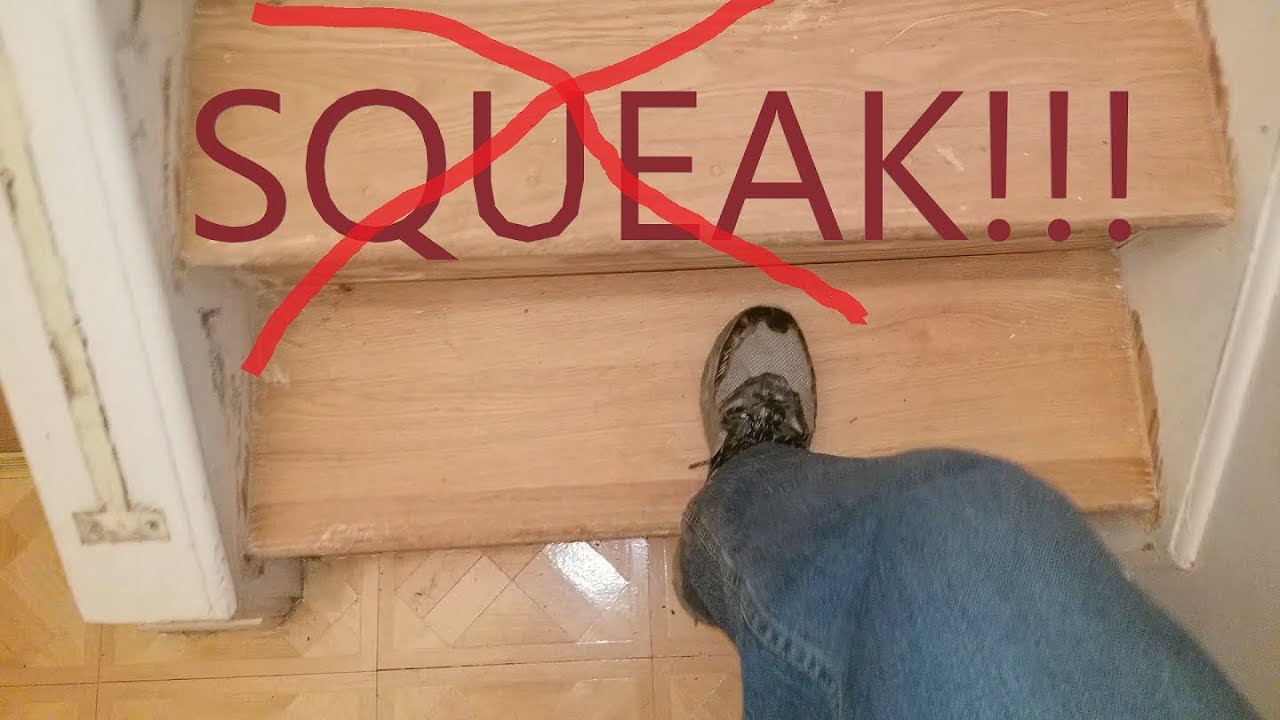
Showing 4:46–5:44 of the source video.
What happens in this clip
With the pilot holes pre-drilled, it's time to secure the support blocks. Start by driving one screw through the block into the riser to hold the block firmly in place. This allows you to remove your hand for the second screw. Then, drive the second screw into the other pilot hole in the block, ensuring the block is fully secured to the riser. Next, take one of your smaller wedge pieces. Apply wood glue generously to the flat, angled side of the wedge that will contact the riser and the angled surface of the block. Position the wedge so its flat side is facing upwards, against the underside of the tread, and its angled side mates with the block's angled side. Push the wedge gently into place. Use a blunt object, such as the end of a hammer or a small piece of wood, and lightly tap it with a mallet or hammer to drive the wedge firmly into the space between the block and the underside of the tread. As the wedge is driven in, it will lift the tread slightly, pressing it firmly against the riser and eliminating movement. Wipe away any excess wood glue that squeezes out immediately with a damp rag. Repeat these steps for all the blocks you've prepared for each squeaky tread. Ensure each block and wedge system is secure and the glue is setting.
Goal: Permanently attach the support blocks and wedges to eliminate movement and squeaking.
What's used
Tools
- Blunt Object
- Hammer
- Scrap wood
- Drill Porter Cable
- Rag
- Screws
- Support Blocks (Mini-Risers)
- Wedge Pieces
- Wood Glue Titebond Premium II
About the full video
This project provides instructions on how to fix noisy stairs by adding support blocks (mini-risers) underneath the treads and risers, and by re-securing or replacing loose wedges in the stringers. The main issue addressed is the movement and rubbing between the tread and riser due to a lack of central support and the dislodging of structural wedges.
Step 6 of 7: Secure from Underside (if accessible)
From beneath the stairs, locate the area of the squeak. Secure wood blocks or metal angle brackets using wood screws to bridge the gap between the tread and riser, or tread and stringer, thereby reducing movement and friction.
Other videos for this step
Squeaky Stair Repair
This project addresses the common issue of squeaky stairs by identifying the source of the noise and applying targeted fixes to eliminate it. The process involves a systematic approach to diagnose the cause, which can range from loose treads or risers to friction between wood components, and then implementing appropriate solutions such as tightening fasteners, shimming gaps, or applying lubricants.
Read the full guide Browse all guides
Planning this project? Shop Oak Valley Designs.