Diagnose the Squeaky Stair Problem
From Squeaky Stair Repair · Step 2 of 7 · Video by Home RenoVision DIY
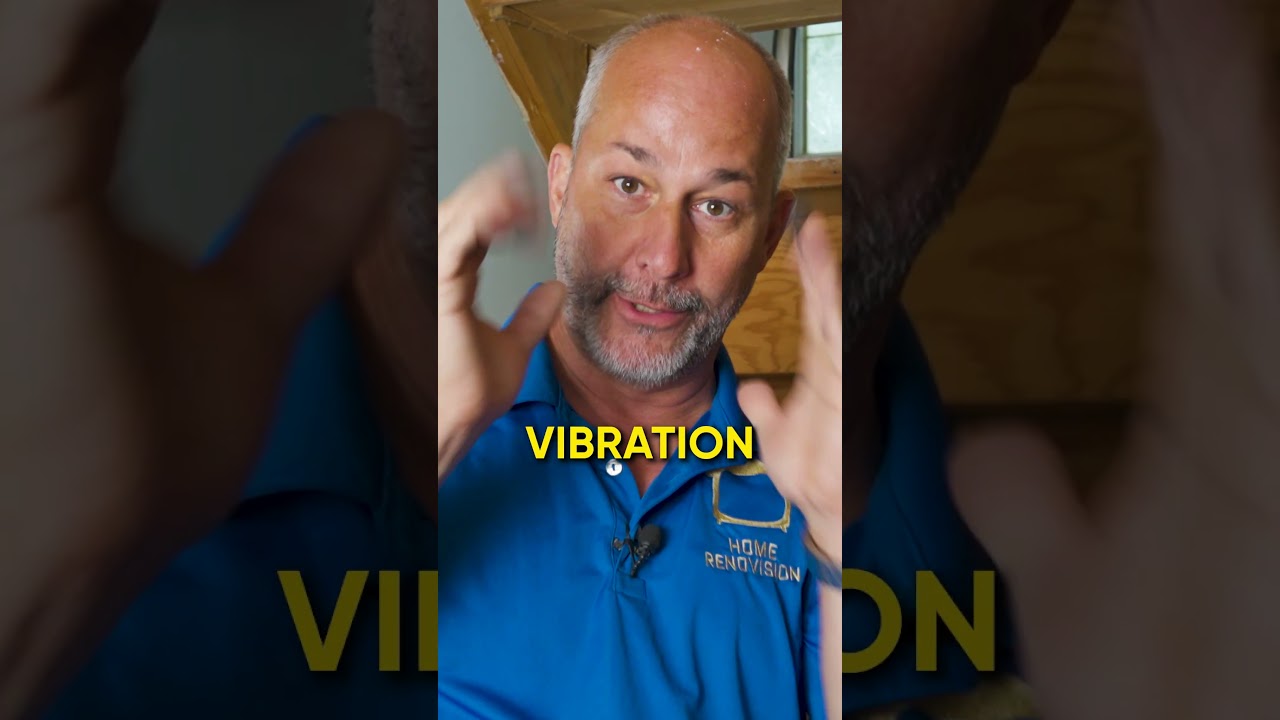
Showing 0:00–0:38 of the source video.
What happens in this clip
The presenter introduces the common problem of squeaky stairs in older homes (built before 1980), attributing it to traditional construction methods. These methods involved using solid lumber for treads with a half-inch plywood backer over long spans, secured only by small finishing nails without any adhesives. He demonstrates this by prying out a section of the stair riser using a pry bar and hammer, revealing the small finishing nail and the construction method. The lack of threads on these nails and the absence of glue allowed the wood to deflect and work loose over time, causing the characteristic squeaks.
Goal: Understand the root cause of squeaky stairs in older homes.
What's used
Tools
- Hammer
- Pry bar
- Small finishing nail
About the full video
This project provides a comprehensive guide on how to permanently fix squeaky stairs by reinforcing the treads and risers with specialized screws. Additionally, it demonstrates how to soundproof the underside of the staircase using wooden strapping, spray foam insulation, and drywall to reduce impact noise and conversation traffic.
Step 2 of 7: Inspect for Loose Tread or Riser
Apply pressure to the tread near the suspected squeak. Observe if the tread lifts or shifts independently of the riser or stringer. Check for any separation where wood components meet.
Other videos for this step
Squeaky Stair Repair
This project addresses the common issue of squeaky stairs by identifying the source of the noise and applying targeted fixes to eliminate it. The process involves a systematic approach to diagnose the cause, which can range from loose treads or risers to friction between wood components, and then implementing appropriate solutions such as tightening fasteners, shimming gaps, or applying lubricants.
Read the full guide Browse all guides
Planning this project? Shop Oak Valley Designs.