
Confirm Post Stability
From Newel Post and Banister Tightening · Step 8 of 8 · Video by Royce Renovations
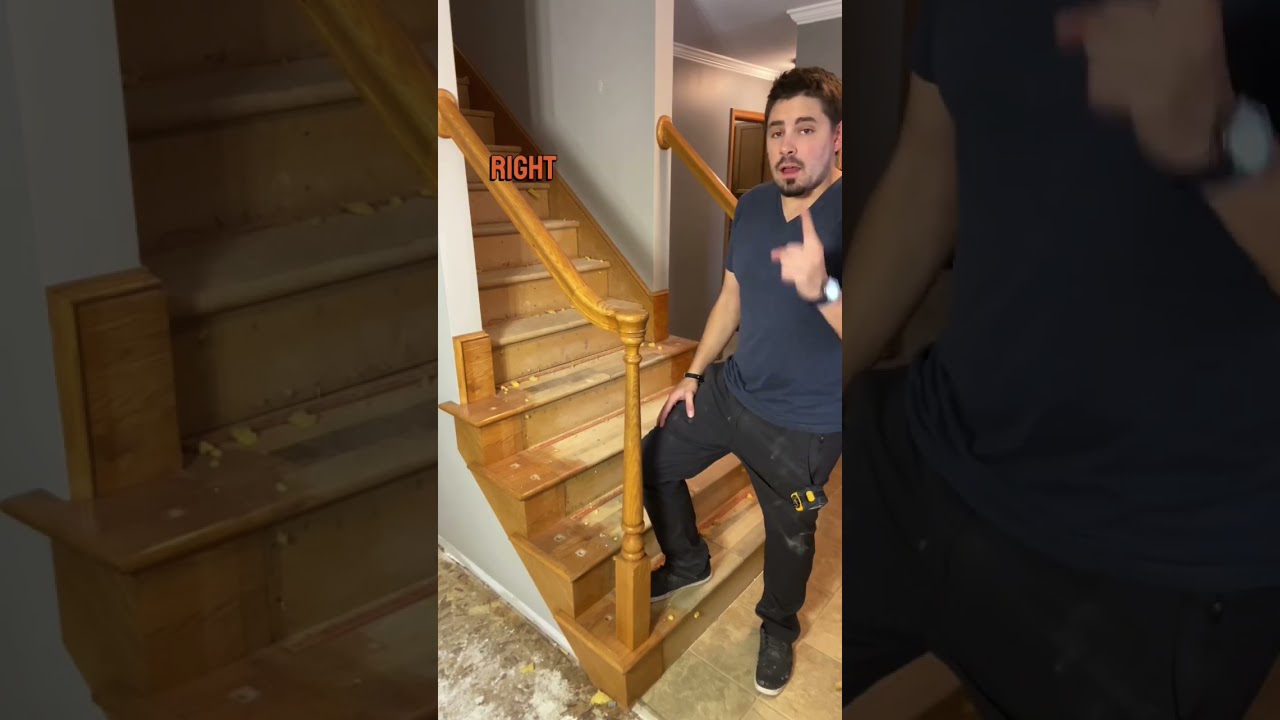
Showing 0:15–0:17 of the source video. Watch the full video with every moment.
What happens in this clip
After tightening the newel post, re-test its stability by attempting to wiggle it. The video shows the person checking the post and giving a thumbs-up, confirming that the newel post is now firmly secured and no longer moves, ensuring the safety and integrity of the staircase railing.
Goal: Ensure the newel post is fully secure
What's used
Tools
- Newel Post
About the full video
This project addresses a common issue in home renovations: a loose newel post on a staircase. The video demonstrates a quick and effective method to secure the newel post by identifying the internal anchoring mechanism and tightening it from the top using a cordless drill, ensuring the staircase railing is stable and safe.
Step 8 of 8: Test for Stability
Once all repairs and tightening have been completed, re-test the newel post and banister by applying firm pressure. Ensure there is no longer any wobble or looseness. Check that all connections feel solid and secure.
Every video in Newel Post and Banister Tightening
Step 1: Assess Newel Post Stability
- 0:00–0:06 Assess Newel Post Stability
- 6:11–6:31 Verify Stability of Stair Post
- 0:43–0:58 Secure the Newel Post with Screws
Step 2: Inspect Banister Looseness
- 0:12–0:13 Verify Stability of the Handrail
- 0:11–0:30 Assess the Problem
- 0:15–0:17 Confirm Post Stability
Step 3: Tighten Base Screws (if applicable)
- 0:43–0:58 Secure the Newel Post with Screws
- 0:12–0:15 Tighten the Newel Post Fastener
Step 4: Reinforce Newel Post to Floor/Stringer
- 4:35–5:10 Secure Newel Post with Screw and Plug
- 4:06–4:31 Drive Structural Screws
- 0:29–0:41 Mount Newel Post to Floor
Step 5: Check and Tighten Banister/Handrail Connections
- 0:32–0:45 Install Handrails
- 5:13–5:40 Adjust Handrail Connection for Optimal Fit
- 2:00–2:24 Tighten Existing Fasteners
Step 6: Use Wood Shims and Adhesive for Gaps
- 0:34–0:52 Shim and Trim for Stability and Finish
- 2:13–2:31 Plumb and Secure the Newel Post Temporarily
- 0:35–0:46 Trim Shims and Install Base Trim
Step 7: Secure Loose Banister Balusters
- 6:47–8:49 Glue and Install the First Baluster
- 0:04–0:05 Position Baluster in Tread and Handrail
- 3:35–4:17 Install Balusters and Fillets
Step 8: Test for Stability
- 1:20–1:27 Verify Bannister Stability
- 0:12–0:13 Verify Stability of the Handrail
- 0:15–0:17 Confirm Post Stability (this video)
Questions about Newel Post and Banister Tightening
What are the most essential tools I'll need for this project, and are there any I might not have?
You'll definitely need a good screwdriver set and possibly a ratcheting wrench for any bolts. Wood screws, pine shims, and wood glue or epoxy are also critical materials. Tools like a brad nailer or pry bar can be useful for specific repairs or securing loose balusters, but might not be essential for every tightening job.
Is this project truly suitable for a beginner, and how much time should I set aside?
Yes, this project is rated as beginner difficulty. The main tasks involve assessment, tightening, and applying adhesives, which are straightforward. You should plan for approximately 3 hours to complete the job, allowing extra time for any glue or epoxy to properly cure.
My newel post feels tight at the base but still has some give. What could be the issue?
If the base screws are secure, the wobble might be originating from where the newel post connects to the banister or even from loose balusters. Thoroughly inspect all connecting points for gaps. Use wood shims with wood glue or epoxy to fill any voids, or consider adding reinforcement screws from less visible angles.
What are the common reasons a newel post or banister becomes loose, and how can I prevent it from happening again?
Looseness often occurs due to screws backing out over time from repeated movement, or wood shrinkage and expansion. Inadequate initial installation can also be a factor. To prevent recurrence, ensure all connections are securely fastened, use wood glue with shims in any detected gaps, and consider using longer or heavier-gauge screws where appropriate for better grip.
What are the most important safety precautions I should take when working on my newel post and banister?
Always ensure the staircase is stable enough to work on without risking a fall. Be careful of sharp edges or splinters when handling wood, and wear appropriate eye protection, especially when using tools like a utility knife or a brad nailer. Follow all manufacturer safety guidelines for any power tools used.
What if the wobble is in the banister itself, not the newel post?
For a loose banister, first check the connections where it attaches to the newel post and any wall mounts. Tighten any visible screws or bolts. If gaps persist, use wood shims and adhesive to stabilize the joints. Also, inspect all balusters; securing any loose balusters to both the banister and stair tread can significantly improve overall stability.
Newel Post and Banister Tightening
This project involves identifying the cause of a wobbly newel post and loose banister and then applying appropriate methods to secure them. This may include tightening screws, reinforcing connections, or using wood shims and adhesive.
Read the full guide Browse all guides
Planning this project? Shop Oak Valley Designs.

Subscribe for exclusive updates
Be the first to know about promotions, new products, and sales.