
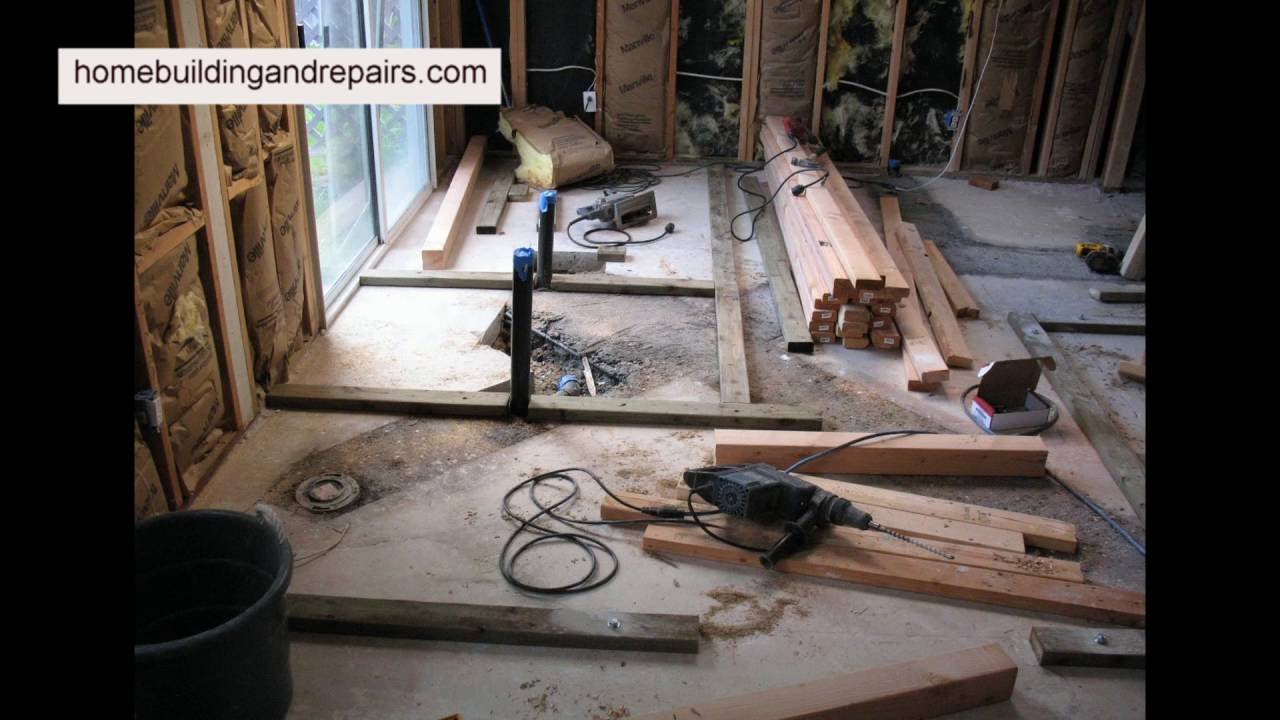
How to Plan a Stair Remodel Budget and Sequence
About This Guide
Develop a comprehensive plan for a stair remodel, including budget allocation for materials and labor, and establishing a logical sequence of tasks from demolition to finishing touches.
Assembled from 14 on-camera clips by 10 independent creators demonstrating these exact steps.
Tools & Materials
Xodo Smart Home Wireless Wi-Fi Security Camera for Dog/Pet/Nanny 1080p HD Baby Monitor Color Night Vision, Sound Detection E6
TOUGHBUILT 7-pocket Tape Measure and Utility Knife Pouch, Black with ClipTech Hub notebook, carpenter pencil and carabiner loop
Xodo Smart Home Wireless Wi-Fi Security Camera for Dog/Pet/Nanny 1080p HD Baby Monitor Color Night Vision, Sound Detection E6
TOUGHBUILT 7-pocket Tape Measure and Utility Knife Pouch, Black with ClipTech Hub notebook, carpenter pencil and carabiner loop
Steps
Determine Remodel Scope and Design
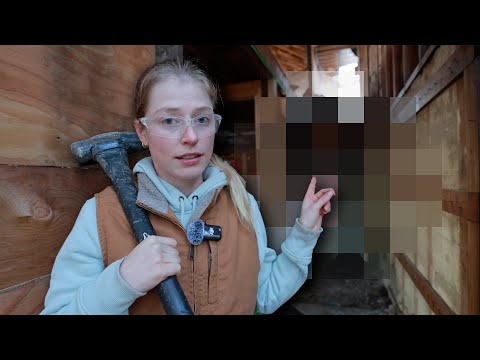
Decide whether to replace treads and risers, update railings and balusters, change the staircase's shape, or add newel posts. Research different stair designs, wood types, carpet options, and railing styles. Consider the overall aesthetic of your home. Create or find detailed drawings or inspiration images.
Create a Detailed Budget
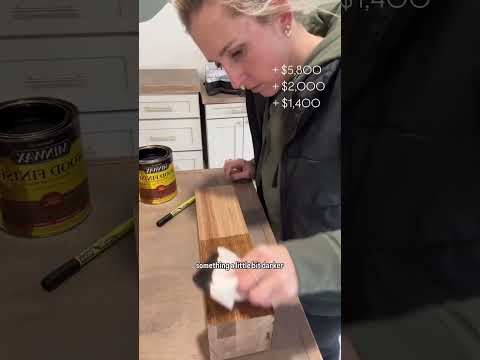
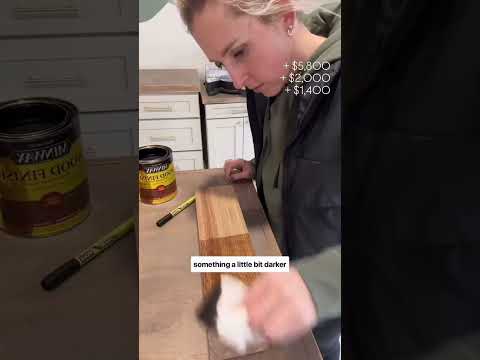
Research the cost of chosen materials (treads, risers, balusters, newel posts, handrails, fasteners, adhesives, finishes). Get quotes from contractors if hiring labor. Factor in tool rental or purchase costs, permit fees, and a contingency fund (10-20%) for unexpected issues.
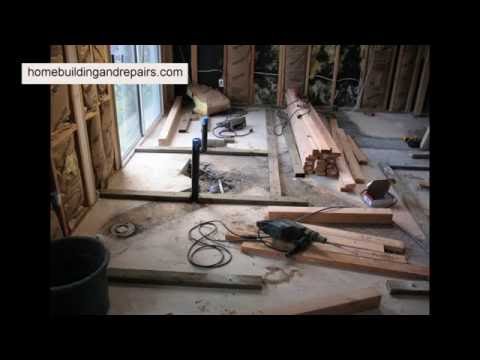
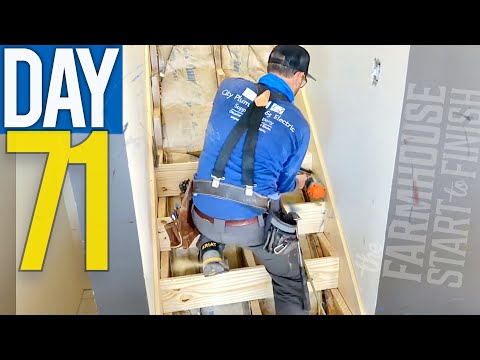
Sequence Installation Tasks
Outline the sequence: typically starting with structural repairs or modifications to the stringers, followed by the installation of new treads and risers, then newel posts, handrails, and finally balusters. Plan for any necessary sub-floor preparation or underlayment installation.


Frequently Asked Questions
The project says 'Estimated time: 2 minutes'. Does that mean the entire stair remodel will only take two minutes?
No, the '2 minutes' refers to the time it takes to complete the *planning* steps outlined in this guide. The actual stair remodel project itself will take significantly longer, often days or even weeks, depending on the scope, materials, and whether you're hiring professionals or doing it yourself.
What are the biggest cost factors to consider when budgeting for a stair remodel?
The main cost factors typically include materials (wood, balusters, treads, risers, railing), labor costs if hiring contractors, and potential structural modifications if your design changes the stair layout. Don't forget to budget for disposal fees, permits, and a contingency fund for unexpected issues.
What's a common mistake beginners make during the planning phase of a stair remodel?
A common mistake is underestimating the complexity and potential hidden issues, like water damage or structural problems behind existing finishes. Another is failing to account for the impact on surrounding flooring or walls, which might also need repair or finishing after the stairs are done. Always add a contingency to your budget for unforeseen problems.
Why is establishing a logical sequence of tasks so important for a successful stair remodel?
A well-planned sequence prevents rework, saves time, and reduces frustration. For example, planning demolition before ordering new materials ensures you know exactly what you're dealing with. Sequencing also helps coordinate contractors, material deliveries, and ensures critical steps like structural work are completed before cosmetic finishes.
The listed tools seem basic. Do I need more specialized tools just for the planning stage?
The tools listed, like a measuring tape and calculator, are primarily for the *planning* and *assessment* phase of your project. For the actual demolition, construction, and finishing of the stairs, you will indeed need a much wider array of tools, such as saws, drills, sanders, and safety gear. This planning guide helps you prepare for those needs.
What safety considerations should I keep in mind even during the planning stages of a stair remodel?
During planning, consider how to maintain safe access if stairs are out of commission and how to safely dispose of demolition debris. Also, factor in personal protective equipment (PPE) for the actual work, like gloves, eye protection, and dust masks. If you suspect structural issues, plan to consult a professional engineer.
Questions about your project or which product fits? Oak Valley Designs's team is happy to help. Mon–Fri 9–5 ET
Related Guides
See All
how to give your staircase a makeover with carpet stair treads

how to install carpet stair treads to make hardwood stairs safe for dogs

how to measure stairs to choose the right size carpet stair treads

how to prepare and clean stairs before installing carpet treads

Subscribe for exclusive updates
Be the first to know about promotions, new products, and sales.