
Live Edge For Beginners - Wood Bugs and Green Wood - How To Woodworking
Video by Blacktail Studio · 1 moment used in Oak Valley Designs's DIY guides · 6:52 long
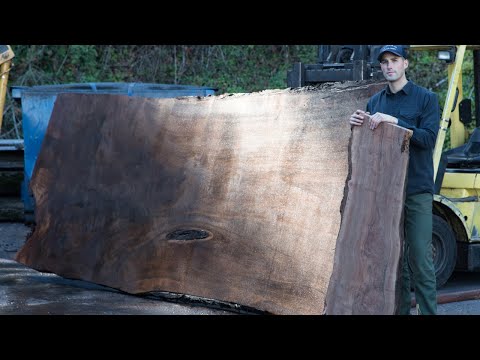
Moments in this video
- 3:55–4:18 Inspect for Rot and Soft Spots
From How to Check Stairs for Rot or Damage Before Covering Them, Step 2: Probe for Soft Spots and Rot
Visually inspect the wood for any signs of rot or soft spots, which can sometimes be less obvious than expected. To physically test for rot, take a car key or a similar sharp, slender object and try to push it into the wood. If the key penetrates the wood easily and deeply, it indicates the presence of rot. If the wood is solid and healthy, the key will not enter easily. Be aware of any soft spots found, as they will need to be addressed. This might involve removing the rotted material and replacing it with a stable filler like epoxy or a well-matched piece of wood.
The guide that use this video
Transcript
0:02 since you're obviously interested in the live edge I thought it'd be cool to show a couple slabs from Gobi walnut because they've been answering a ton of questions for me on this live edge topic to make sure all my information is correct I also thought it'd be cool for you to guess how much this slab on the Left cost and how much the smaller slab on the right cost and I'll show you how much each of those cost at the end of the video hey this is kind of like toast dude you and this week we're talking live edge for beginners and I want to make this video because when I started woodworking there either wasn't enough information out there or I didn't do enough research or both and my project did not go very well so I wanted to make a few videos to kind of give you the tools necessary to feel really confident building your own live edge table in your garage or shop and this week we're gonna be covering just the wood basically what do I need for my wood to ensure that I give myself the best chance for success with my live edge project the good thing is it's really not that complicated there's a few
0:47 things you get one is it dry two is a dry everywhere meaning are there any pockets of trap moisture in that slab three is it dried properly from my climate meaning is if you buy it from Arizona it's not going to be necessarily correctly dried if you live in South Carolina or Oregon and vice versa once you've established you have a properly dried slab you need to know it is there any rot are there any soft spots and that's not always a deal-breaker but you want to be aware of any soft spots or rot you have in your slab and the last thing you should know is are there bugs and I don't want you to be too freaked out but there probably are bugs in your slab you just want those bugs to be dead we'll go over a few ways to make sure those bugs won't come crawling out after you finish your table so is it dry a lot of people that are just start with working go by this rule of one inch per year meaning if you have a three inch thick slab is let it dry for three years and it's gonna be
1:33 dry not always the case actually probably not even usually the case it can be the case so how do you know your slab is dry if you can't go by the one inch per year and the simple answer is you get a moisture meter and not all moisture meters are created equal the people at Wagner were cool enough to send me their top-of-the-line pinless meter and the difference between a pinless meter and a pin meter is this one actually senses down into the wood whereas a pin one only takes the moisture right on the surface and those are incredibly unreliable because the outer surface will often be dry and the inside of the part that matters will not be dry so this one sense is three quarters of an inch down into the slab and that's going to ensure that you know if the inside of your slab is dry a reputable slab supplier will most likely have probably the same moisture meter if not some variation of one of
2:18 these wagner pinless meters because they need to test down into the wood however they may not always have the time to test every slab all over the entire slab so I always keep this in my car because I do is I go around and I test different areas because it's very easy to find an area of trapped moisture and that trapped moisture will likely compromise your slab in the end so what you need to do if you don't want to purchase one of these moisture meters totally understandable make sure that your slabs player lets you test the slab that you want to buy with their moisture meter and make sure you again you test all over the slab because if you have one area of trapped moisture completely ruined your project once that starts to dry and twist and work and how do you know that it was dried properly for your climate and there's a few kind of rules of thumb you can go by I always heard 6% for Arizona and 9% for Oregon I'm not
3:04 actually sure what the East Coast is but it's there's some kind of broad rules and those actually are pretty close but the cool thing about the Orion one is it actually can tell you the equilibrium moisture EMC of anywhere basically you just turn on dial on the EMC and it'll tell you so what I do is I go into my living room because the moisture contents gonna be different than that in my shop and you know winter in summers varies a lot more out of the garage so the Wagner meter will actually tell you the EMC for your specific area and that'll guarantee that you get it just right and don't worry too much if say it's 9% in your living room and your slab is 10% or 11% or part of your slabs is 8% and some parts say 9 or 10 there's gonna be like a 1 to 3% variation and that's ok what you don't want is that 15% 20% and sometimes I've seen like 30%
3:52 even from reputable slab suppliers now rot seems like it's fairly easy to tell it's not always as obvious as you think I've actually gotten slides almost all the way ready to finish and found a soft spot of wood and there's a really simple easy way to check this is take your car keys out stick them into the wood if it goes in it's rotted if it doesn't it's fine so make sure you're aware of any soft spots that you do need to address either by removing that replacing with something like epoxy or even another matching piece of wood bugs probably ruin as many projects as wet wood does and there's a much simpler way to prevent bugs from ruining your project and don't worry too much if your project has you know bug holes in it if you see like little holes from when the tree was growing because most slabs will have some form of bugs or had some form of bugs and what you want is those bugs to be dead and there's a really simple way
4:38 and that's a kill and pretty much all the wood I by now is kiln dried and so that guarantees that the bugs die because I learned that they need to be at like 130 degrees for 30 minutes at the very core of the wood and so if it's not kiln dried I've even said in my attic I've taken temperatures up there and you know when it's 140 degrees all summer up in my attic I feel pretty confident that that's gonna get to that core of the wood and kill those bugs inside there are chemical options for killing bugs I've never personally used one I don't really like spraying chemicals on wood that is gonna be finished with you know a fine wood finish I've heard fine results I haven't experienced any bad results but I've never used any chemical options myself but there are out there so in summary basically you need dry wood and you need not just dry wood but woods it's dry throughout the entire slab and wood that's dried properly to
5:25 your climate if you want to buy wet wood that's totally fine you can attempt to dry it yourself you may have you know varying levels of success with it but totally fine if you want to try to dry the wood yourself just be prepared one to wait and to you may have some bearing results to success when it comes to drying that wood remember always treat for bugs whether that's in a kiln your attic or chemicals or some combination of all three of those just make sure you have treated at for bugs because they can and will crawl out of a completely finished table I've seen them in reputable bars restaurants I've even some bookcases from you know manufacturers oversea that come over where bugs start crawling out so make sure they're treated for these little beetles that will crawl out okay now you know you're looking for in live-edge wood you ready to start shopping and next video I'm gonna help you out with that I'm gonna discuss what's the fair
6:10 price for buying these slabs and what does a board foot mean to everybody seem to use these kind of scary terms so we're gonna go over the entire buying process the best place to buy it and how to find really good deals on places like Craigslist okay so what was your guess you guessed eleven thousand you nailed it just under that I can't blame you that's a ton of money and more than I've ever spent on a slab for this slab though ninety bucks and that is right in my wheelhouse oh I thought that was the perfect amount for me I really appreciate you making it this far and if you guys have any bad experiences I would love to hear them in the comments it really helps encourage other woodworkers didn't know that they're not the only ones with problems so let me know in the comments below any problems you've had in the past thanks so much
Automatically transcribed from the source video.
More from the Oak Valley Designs DIY Hub
Read the guide Browse all guides
Planning this project? Shop Oak Valley Designs.
Subscribe for exclusive updates
Be the first to know about promotions, new products, and sales.