
Lay Step Treads and Continue Pavers
From How to Build Paver Steps into a Hill · Step 8 of 11 · Video by The Home Depot
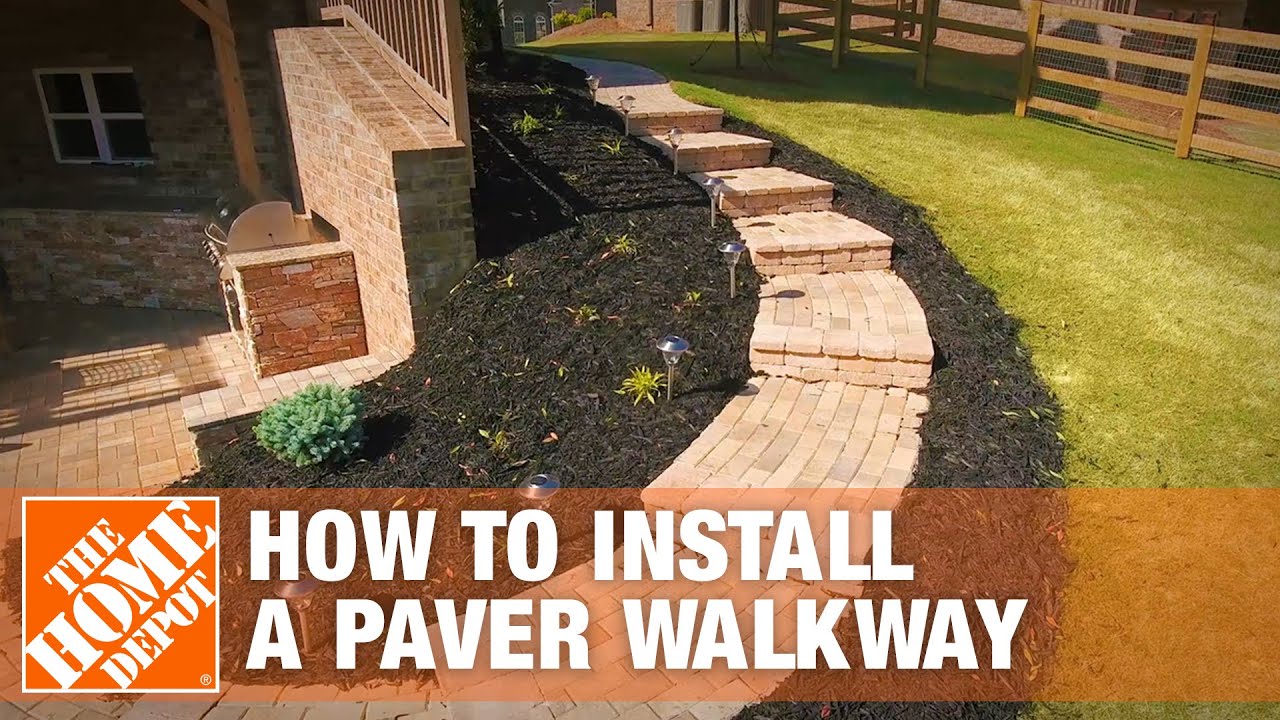
Showing 3:24–3:39 of the source video. Watch the full video with every moment.
What happens in this clip
For the step treads, select blocks that are the same thickness as your regular pavers. These tread blocks are then attached directly to the top of the previously laid wall blocks using construction adhesive. After securing the step treads, continue laying your pavers in the same running bond pattern across the newly prepared section of the walkway until you reach the point where another step is required.
Goal: Install step treads and continue laying pavers
What's used
Tools
- Construction Adhesive (Quikrete Polyurethane Construction Adhesive) Quikrete
- Step Treads / Pavers
About the full video
This project provides a comprehensive guide on how to build a durable and aesthetically pleasing paver walkway, including preparing the ground, laying a stable base, installing pavers and steps, securing the edges, and applying polymeric sand for joint stabilization. The process emphasizes proper planning, ground preparation, and material layering to ensure a long-lasting structure.
What's said in this clip
you want to make this base layer even with the top of the wall block you set previously for the step treads you'll use blocks that are the same thickness as your pavers these are attached directly to the top of the wall block using construction adhesive then you'll continue with your pavers in the same pattern until you're ready for another step to cut pavers measure mark and use
Automatically transcribed from the source video.
Step 8 of 11: Install Risers and Treads
For each step, first install the riser pavers against the back of the previous tread. Ensure they are plumb and securely set. Then, lay the tread pavers for the current step on top of the sand bed, ensuring they are level and firmly seated. Use construction adhesive to bond risers to treads if desired for extra stability, particularly on steeper slopes.
Every video in How to Build Paver Steps into a Hill
Step 1: Excavate for Step Base
- 0:09–0:13 Excavate Base Material
- 1:26–2:21 Mark Outlines and Excavate
- 3:05–4:04 Excavating for the First Step
Step 2: Install Retaining Edge (Optional but Recommended)
- 0:35–0:54 Install Edge Restraints and Ensure Drainage
- 0:33–0:51 Construct Retaining Edge
- 2:25–2:54 Secure Paver Edge Restraints
Step 3: Add and Compact Paver Base
- 1:12–1:37 Build the Gravel Base
- 2:06–3:08 Install Paver Base and Initial Compaction
- 1:19–1:28 Compact the Gravel Base
Step 4: Lay Sand Setting Bed
- 1:13–1:20 Add Sand Bedding
- 1:09–1:15 Add Sand Bedding Layer
- 1:07–1:36 Spread and Screed the Paver Sand Bed
Step 5: Set First Row of Pavers
- 0:51–1:22 Lay the First Row of Pavers
- 0:34–0:39 Place and Set Paver
- 0:54–1:02 Lay Pavers
Step 6: Lay Subsequent Rows of Pavers
- 1:36–2:01 Lay and Level the Pavers
- 0:51–1:22 Lay the First Row of Pavers
- 9:46–10:38 Lay Second Row of Pavers and Beyond
Step 7: Cut Pavers for Edges and Risers
- 16:50–17:20 Cut Pavers for Edge Details
- 1:10–1:20 Cut Edge Pavers and Cure
- 15:46–18:14 Custom Paver Cutting
Step 8: Install Risers and Treads
- 3:24–3:39 Lay Step Treads and Continue Pavers (this video)
- 7:23–7:44 Secure Step Treads with Adhesive
- 0:42–0:45 Install Pavers for Treads and Landing
Step 9: Sweep Joint Sand
- 6:37–7:13 Sweep in Joint Sand
- 7:14–7:56 Brush in Jointing Sand
- 1:30–1:56 Sweep in Polymeric Sand
Step 10: Compact Paver Surface
- 7:29–8:02 Compact Pavers
- 9:15–9:36 Compact Paver Surface
- 3:53–4:16 Compact the Pavers
Step 11: Final Joint Sand Application and Cleaning
- 6:36–7:49 Activate Polymeric Sand
- 18:22–20:00 Sweep in Polymeric Sand
- 13:01–14:19 Finalize Paver Surface and Joints
Questions about How to Build Paver Steps into a Hill
Is 'beginner' really accurate for this project, and can I realistically complete it in 3 days?
While categorized as beginner, this project involves significant manual labor, especially excavation, moving heavy materials like pavers and base, and meticulous leveling. The 3-day estimate is tight and assumes ideal conditions, good weather, and no major complications. Consider budgeting a full weekend plus some prep and finishing time, and having an extra pair of hands will greatly reduce the effort and time required.
Do I need all the listed tools, especially a plate compactor, or are there alternatives?
A plate compactor is crucial for creating a stable, long-lasting base that prevents your paver steps from sinking or shifting over time; hand tamping is generally not sufficient for this project's durability. Essential tools like a good shovel, level, measuring tape, and string line are indispensable. While renting some specialized tools is an option, the listed equipment is recommended for a successful and durable outcome.
What is the most critical step to ensure my paver steps don't sink or become uneven over time?
The most critical step is thorough excavation and meticulous compaction of the sub-base and paver base layers. Ensure each layer is compacted in 2-inch lifts until it is firm and stable, and verify the slope for proper drainage. Poor or insufficient compaction is the leading cause of paver step failure, leading to sinking and uneven surfaces.
What are the main safety precautions I should take during excavation and compaction?
Always wear appropriate personal protective equipment (PPE) such as work gloves, safety glasses, hearing protection, and sturdy boots. Before digging, always call 811 to locate underground utilities. When operating a plate compactor, be aware of its weight and vibrations, and use a dust mask due to the fine particles that can become airborne.
Is the landscape timber retaining edge always necessary, and what alternatives exist?
The landscape timber retaining edge is optional but highly recommended to prevent soil erosion behind and around your steps, and to provide a stable, defined boundary. Alternatives could include using concrete edge restraints or a treated lumber frame, but timbers offer substantial support when properly secured with rebar stakes, especially on steeper slopes.
How do I accurately calculate the number of pavers and bags of base material I'll need for my specific steps?
First, measure the total square footage of all your step treads and risers. Add a 5-10% overage to this number to account for cuts, waste, and potential breakage. For paver base and sand, calculate the total volume (cubic feet) needed based on your excavation depth and the dimensions of your steps, then divide that by the cubic foot coverage listed on each bag of material to determine the quantity required.
How do I ensure proper drainage for the steps, especially since they are built into a hillside?
Proper drainage is vital to prevent water damage and erosion. Ensure each step tread has a slight forward slope (about 1/8 inch per foot) to direct water away from the hillside. You might also consider installing a French drain or drainage tile at the base or behind the steps to manage subsurface water and heavy runoff from the hill.
How to Build Paver Steps into a Hill
Outline for building durable and aesthetically pleasing steps into a hillside using pavers.
Read the full guide Browse all guides
Planning this project? Shop Oak Valley Designs.

Subscribe for exclusive updates
Be the first to know about promotions, new products, and sales.