
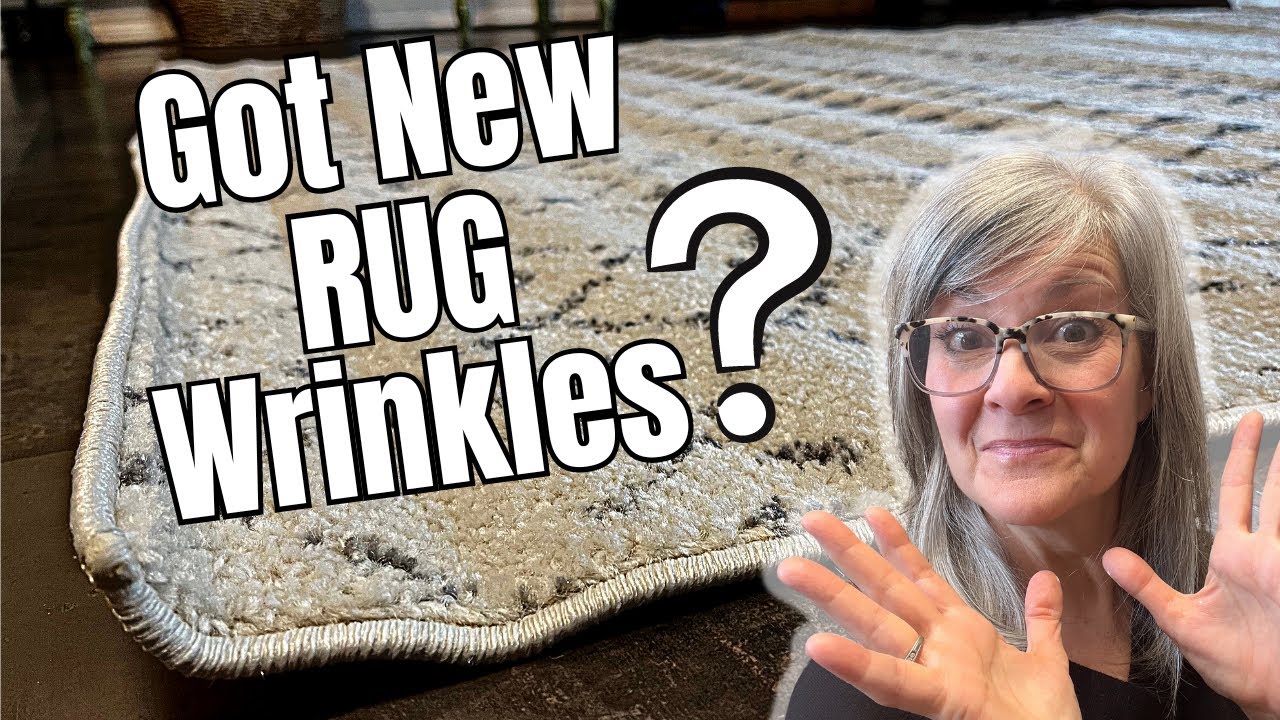
How to Stop an Area Rug from Curling at the Corners
About This Guide
This project aims to prevent rug corners from curling by using a combination of flattening techniques and anti-slip measures.
Assembled from 6 on-camera clips by 6 independent creators demonstrating these exact steps.
Tools & Materials
ROBERTS Rug Gripper 2-1/2 in. x 25 ft. Antislip Pressure -Sensitive Mesh Tape for Small Indoor Rugs 50-580
ROBERTS Rug Gripper 2-1/2 in. x 25 ft. Antislip Pressure -Sensitive Mesh Tape for Small Indoor Rugs 50-580
Steps
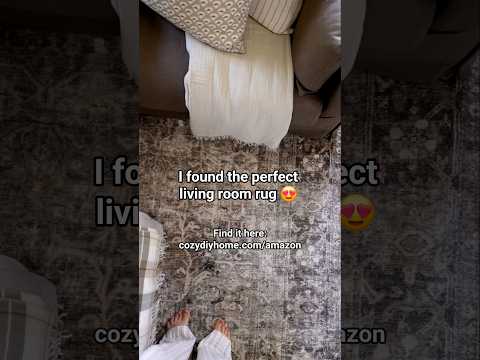
Clean the Rug and Floor Surface
Vacuum the rug thoroughly, paying special attention to the corners to remove any loose dirt, dust, or debris. Then, clean the floor surface underneath the rug corners using a suitable floor cleaner and a damp cloth or mop. Ensure the floor is completely dry before proceeding.
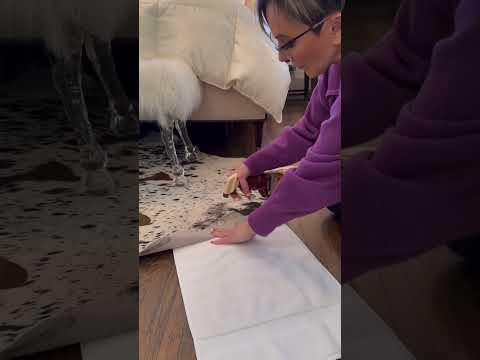
Apply Heavy Objects to Flatten
Carefully position heavy, flat objects such as books, weights, or securely stacked items directly on top of the curled rug corners. Ensure the objects are evenly distributed to apply consistent pressure. Leave these objects in place for at least 24-48 hours, or until the corners lie flat.
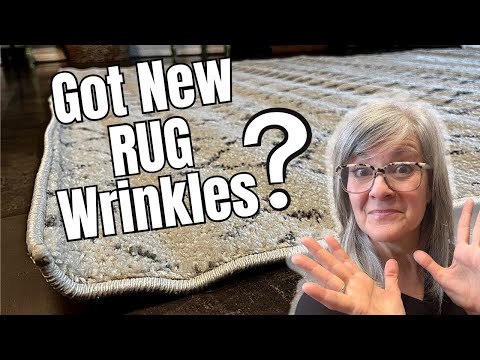
Apply Anti-Curl Rug Tape
Cut strips of anti-curl rug tape to the length of the rug's edges, particularly focusing on the corners. Apply the tape to the underside of the rug edges according to the manufacturer's instructions, ensuring a firm bond. This tape provides additional rigidity to the rug's perimeter.
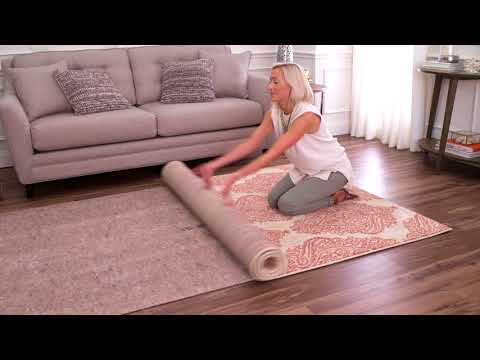
Consider a Rug Pad
Select a rug pad that is appropriate for your rug type and floor surface. Trim the rug pad if necessary so it is slightly smaller than the rug itself. Place the rug pad on the clean floor, and then carefully lay the rug on top of it, ensuring the corners of the rug are positioned to benefit from the pad's support.
Frequently Asked Questions
What causes rug corners to curl, and how do these methods address it?
Rug corners often curl due to factors like foot traffic, humidity changes, or the rug's backing material. This project focuses on physically flattening the corners using weights and securing them with specialized tapes or a rug pad. While it doesn't change the rug's inherent material, it effectively prevents and corrects the visual and tripping hazard of curling.
Do I really need all the listed tools and materials, or can I get by with less?
While the vacuum and mop are crucial for preparing a clean surface, the core items are heavy objects for flattening and at least one type of anti-curl tape (gripper or anti-curl tape). A box cutter or carpet knife is essential for precise tape cutting. A rug pad is highly recommended for added stability and cushioning, though technically optional for just curling.
What safety precautions should I take, especially regarding floor damage or tool use?
Always ensure your floor is completely dry before applying any tape to prevent moisture issues and ensure proper adhesion. When using a box cutter or carpet knife, exercise extreme caution to avoid injury and protect your floor with a cutting mat. It's also wise to test tape adhesion in an inconspicuous area first, especially on delicate floor finishes, though most rug tapes are designed to be floor-safe.
My rug corners are still curling even after applying tape and weights. What should I do?
Ensure both the rug and floor surfaces were thoroughly cleaned and dry before applying tape for optimal adhesion. You might need to leave the heavy objects on the corners for a longer period, such as 24-48 hours, to effectively 'train' the rug fibers. Consider combining both rug gripper tape and anti-curl rug tape, or ensure you have a sufficiently thick rug pad to add more stability.
How long will these solutions last, and will the tapes or pad damage my floor or rug?
The effectiveness can last several months to over a year, depending on foot traffic and environmental conditions, with tape potentially needing reapplication. Most quality rug tapes and pads are designed to be safe for common flooring types and rug backings, not leaving residue or causing damage upon removal. Always check product instructions for compatibility with your specific floor type, especially delicate finishes like antique hardwood.
Are there any temporary or alternative solutions I can try before committing to tapes or pads?
For a temporary fix, you can try lightly dampening the curled corner with water and placing heavy objects on it overnight to help it dry flat. Rolling the rug corner tightly in the opposite direction of the curl for several hours can also offer a short-term solution. However, for a lasting and reliable fix, the specialized tapes and rug pads outlined in this project are most effective.
Will using a rug pad completely eliminate curling, or is it best used in combination with tape?
A good quality rug pad, especially a thicker one like the RUGPADUSA Essentials, can significantly reduce curling by adding weight, friction, and providing a stable foundation. While it helps greatly, for very stubborn or lightweight rugs, combining the rug pad with anti-curl tape directly on the corners will provide the most secure and long-lasting solution. This dual approach offers both cushioning and direct corner flattening.
Questions about your project or which product fits? Oak Valley Designs's team is happy to help. Mon–Fri 9–5 ET
Related Guides
See All
how to give your staircase a makeover with carpet stair treads

how to install carpet stair treads to make hardwood stairs safe for dogs

how to measure stairs to choose the right size carpet stair treads

how to prepare and clean stairs before installing carpet treads
Subscribe for exclusive updates
Be the first to know about promotions, new products, and sales.