

How to Set Up Stairs for a Dog with Arthritis or After Surgery
About This Guide
Outline the process of setting up stairs or ramps for a dog with arthritis or recovering from surgery to aid in mobility and reduce strain.
Assembled from 10 on-camera clips by 10 independent creators demonstrating these exact steps.
Tools & Materials
Steps
Choose the Right Ramp/Stair Design
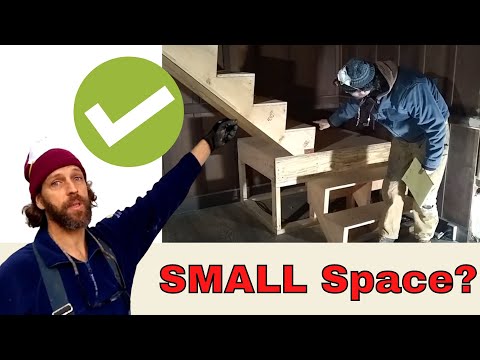
Evaluate the height of the furniture or bed the dog needs to access. Measure the distance from the floor to the top of the furniture. This will help determine the required rise of the stairs or ramp. Consider your dog's breed and weight to ensure the chosen product can safely support them. If your dog has significant arthritis or is recovering from surgery, a gentler incline (ramp) might be more suitable than steep stairs. Also, think about where the stairs/ramp will be placed and if it needs to be portable or a more permanent fixture.
Assemble the Dog Stairs or Ramp
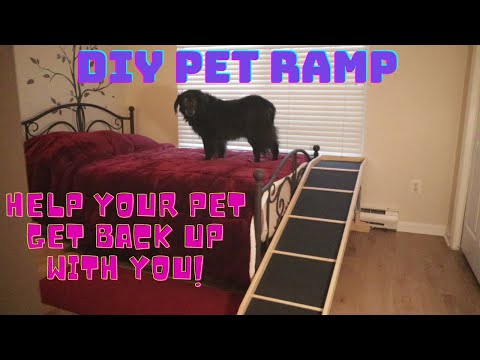
Unpack all components of the dog stairs or ramp. Carefully read the assembly manual provided by the manufacturer. Attach legs, platforms, or ramp sections according to the diagrams. Use the provided screws, bolts, or other fasteners to secure all connections. Ensure all parts are firmly in place and the structure is stable and does not wobble.

Add Traction Surfaces
If the stairs or ramp are made of a smooth material like plastic or wood, it's crucial to add traction. Cut non-slip treads or carpet pieces to fit each step or section of the ramp. Secure these traction aids using strong adhesive, double-sided tape, or small staples, ensuring there are no loose edges that could trip your dog.

Position the Stairs/Ramp
Determine the best spot for the stairs or ramp. Position it so that it aligns comfortably with the furniture or elevated surface your dog needs to access. Ensure the base of the stairs or ramp is on a stable, level surface. Check that the top of the stairs or ramp makes solid contact with the furniture or floor to prevent any tipping or shifting.
Introduce Your Dog to the Stairs/Ramp
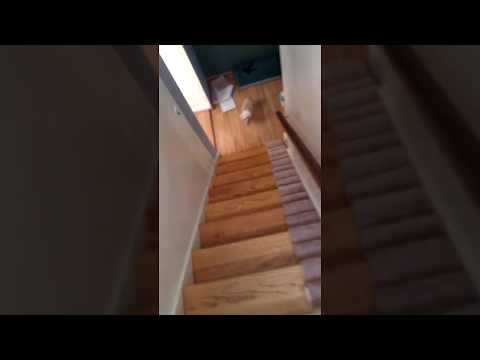
Begin by placing treats or a favorite toy at the bottom of the stairs/ramp. Encourage your dog to walk onto it. As they become comfortable, gradually move the treats or toy further up the stairs/ramp. Praise and reward your dog for every step they take. Never force your dog onto the stairs or ramp, as this can create fear or anxiety.
Frequently Asked Questions
How do I choose between a ramp and stairs for a dog with arthritis or after surgery?
Consider your dog's specific condition and the height they need to access. Ramps are generally recommended for severe arthritis, hip dysplasia, or post-surgery recovery as they provide a smoother incline with less joint impact. Stairs might be suitable for dogs with milder mobility issues or in situations where space is limited, but ensure they have shallow risers.
What's the best way to ensure the stairs or ramp are safe and stable for my dog?
Stability is crucial. Ensure the unit is placed on a flat, non-slip surface and doesn't wobble when your dog uses it. Add extra traction using non-slip bath mats, carpet pieces, or rubber treads securely attached to the walking surface with adhesive or staples. Regularly check for any loose parts or worn traction.
What tools and materials will I need for this project?
You'll primarily need basic assembly tools like a measuring tape, screwdriver, and possibly a wrench or hex key set, depending on your chosen dog stairs/ramp. For adding traction, a carpet knife and materials like a non-slip bath mat are essential. Some assemblies might require more specific tools if you're building from scratch.
My dog is hesitant to use the new stairs or ramp. How can I encourage them?
Introduce the new aid slowly and positively. Use high-value treats and praise to lure your dog up and down, starting with just one step or a short section of the ramp. Avoid forcing them, keep sessions short, and always end on a positive note. Consistency and patience are key to building their confidence.
What are common mistakes to avoid when setting up dog stairs or a ramp?
A frequent mistake is not providing adequate traction, which can lead to slips and further injury. Another common error is choosing stairs that are too steep or a ramp with too high an incline for your dog's condition. Always prioritize stability and a gentle slope to minimize strain on their joints.
How long will it take, and how difficult is this project?
This project is generally considered beginner-friendly, and the estimated time is about 4 hours. Most of this time will be spent on assembling the stairs/ramp and securely attaching traction materials. The difficulty can vary slightly if you're building a custom solution versus assembling a pre-made kit.
Questions about your project or which product fits? Oak Valley Designs's team is happy to help. Mon–Fri 9–5 ET
Related Guides
See All
how to give your staircase a makeover with carpet stair treads

how to install carpet stair treads to make hardwood stairs safe for dogs

how to measure stairs to choose the right size carpet stair treads

how to prepare and clean stairs before installing carpet treads

Subscribe for exclusive updates
Be the first to know about promotions, new products, and sales.