
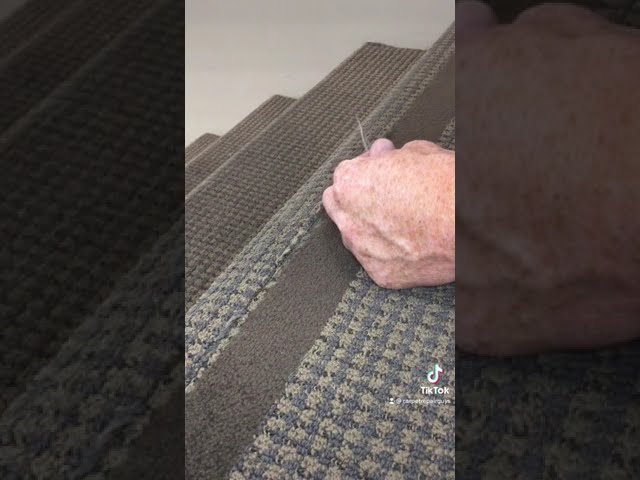
How to Re-Stick a Carpet Stair Tread That Is Lifting
About This Guide
This project outlines the steps for re-sticking a lifting carpet stair tread to secure it and prevent tripping hazards.
Assembled from 12 on-camera clips by 4 independent creators demonstrating these exact steps.
Tools & Materials
RIDGID 1-7/8 in. Dusting Brush Accessory Shop Vac Attachment for RIDGID Wet Dry Vacuums
RIDGID 1-7/8 in. Dusting Brush Accessory Shop Vac Attachment for RIDGID Wet Dry Vacuums
Steps
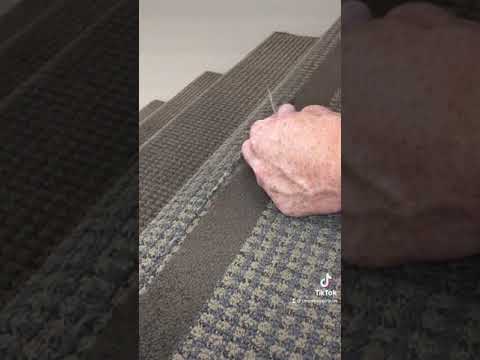
Inspect the Tread
Carefully lift the edge of the carpet tread to inspect the underside. Look for signs of wear, tear, or damage to the carpet fibers, the padding beneath, and the wooden tread itself. Determine if the lifting is due to loose carpet, failed adhesive, or a structural issue with the stair.

Clean the Underside of the Tread and Stair
Using a stiff brush or a vacuum cleaner with a brush attachment, meticulously remove all loose dirt, dust, carpet fibers, and any remnants of old adhesive from both the back of the carpet tread and the surface of the stair tread. A clean surface is crucial for the new adhesive to adhere properly.
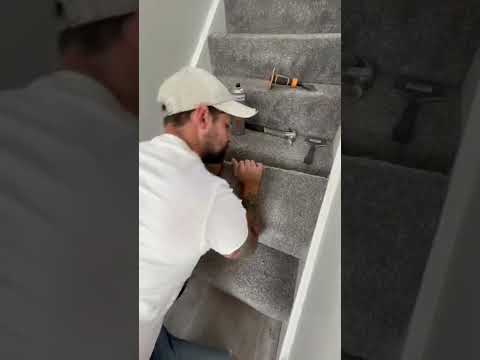
Apply New Adhesive
Choose a strong, flexible adhesive specifically designed for carpets and stairs, such as a heavy-duty carpet adhesive or construction adhesive. Apply a generous, even bead of adhesive to the stair tread surface where the carpet has lifted, or directly to the back of the carpet if it's a spray adhesive. Ensure coverage extends to all areas that need re-adhering.
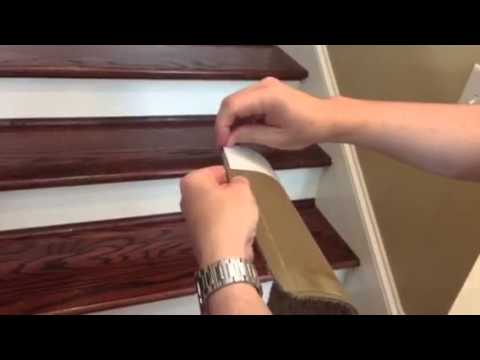
Re-secure the Carpet Tread
Carefully align the carpet tread and press it down firmly onto the adhesive-coated stair tread. Use your hands, knees, or a clean block of wood to apply even pressure across the entire surface of the tread. Work from the center outwards to push out any air pockets and ensure full contact with the adhesive.
Weight Down the Tread
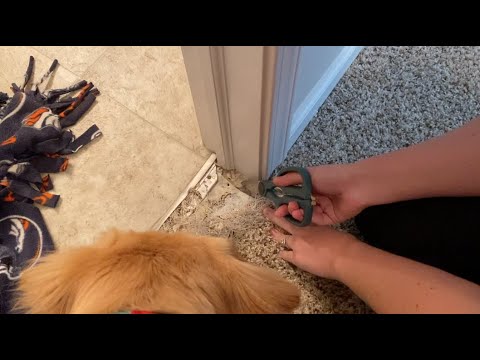
Place heavy objects, such as books, paint cans, or weights, directly onto the repaired carpet tread. Ensure the weight is distributed evenly and covers the entire surface. Leave the weight in place for the period specified by the adhesive manufacturer, which is typically 24-48 hours, to ensure a strong, lasting bond.
Trim and Tuck Loose Carpet Edges
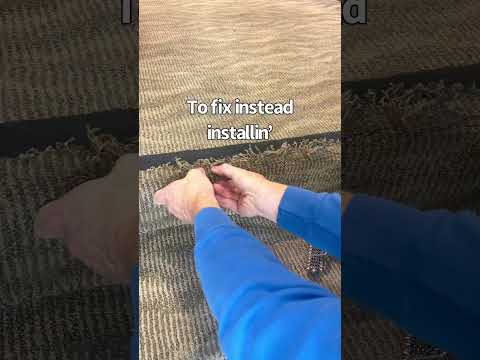
Once the adhesive has fully cured, inspect the edges of the carpet tread. If there are any small, frayed carpet fibers or edges that are not perfectly tucked, use sharp scissors or a carpet knife to carefully trim them. Then, use a putty knife or a carpet tucking tool to push any remaining loose edges back under the nosing or against the riser for a clean, finished look.
Frequently Asked Questions
What type of adhesive should I use to re-stick a carpet stair tread?
For re-sticking carpet stair treads, a high-quality carpet adhesive or heavy-duty construction adhesive designed for flooring is recommended. Look for products that offer a strong, flexible bond and are suitable for the carpet backing material. Always check the adhesive's label for specific application instructions and drying times.
What safety precautions are important when working on stairs?
Ensure the staircase is clear of obstacles and well-lit. If possible, block off access to the stairs during the project to prevent accidental use while the tread is unsecured or adhesive is curing. Wear gloves when handling adhesive, and ensure good ventilation as adhesives can produce fumes. Always test the tread for full security before allowing regular foot traffic.
What are common reasons a re-glued carpet stair tread might lift again?
The most common reasons include insufficient cleaning of the old adhesive and debris, not applying enough new adhesive, uneven application, not properly weighting down the tread during curing, or not allowing enough time for the adhesive to fully cure. Ensure surfaces are clean, dry, and free of dust for optimal adhesion.
Are specialized tools like carpet shears or a tucker really necessary for this beginner project?
While you might be able to improvise with household tools, specialized tools like carpet shears offer cleaner cuts and the carpet tucker helps neatly secure edges into the crease of the stair. Using the right tools will make the job easier, give a more professional finish, and help prevent the tread from lifting again quickly.
How long does the adhesive need to cure before the stairs can be used safely?
Curing times vary significantly based on the specific adhesive used, temperature, and humidity. Most adhesives require at least 24 hours to fully cure, though some may offer faster tack times. Always refer to the adhesive manufacturer's instructions on the product label for precise curing times and recommendations for foot traffic.
When should I consider calling a professional for a lifting carpet stair tread?
If multiple treads are lifting, the carpet itself is significantly worn or damaged, the subfloor beneath the carpet is damaged or rotting, or if you're uncomfortable performing the repair yourself, it's best to consult a professional. They can assess the underlying issues and ensure a durable, safe repair or replacement.
Questions about your project or which product fits? Oak Valley Designs's team is happy to help. Mon–Fri 9–5 ET
Related Guides
See All
how to give your staircase a makeover with carpet stair treads

how to install carpet stair treads to make hardwood stairs safe for dogs

how to measure stairs to choose the right size carpet stair treads

how to prepare and clean stairs before installing carpet treads

Subscribe for exclusive updates
Be the first to know about promotions, new products, and sales.