

How to Install Carpet Treads on Mobile or Modular Home Steps
About This Guide
This project outlines the steps for installing carpet treads on the steps of a mobile or modular home. It includes preparing the steps, measuring and cutting the treads, and securely attaching them.
Assembled from 8 on-camera clips by 7 independent creators demonstrating these exact steps.
Tools & Materials
Steps

Clean the Steps
Before installing carpet treads, it's crucial to prepare the surface of each step. Sweep or vacuum away loose dirt and debris. For a more thorough cleaning, use a stiff brush and a mild detergent solution to scrub away any grime, old adhesive residue, or stains. Rinse the steps thoroughly with clean water and allow them to dry completely before proceeding. A clean, dry surface is essential for the carpet treads to adhere properly.
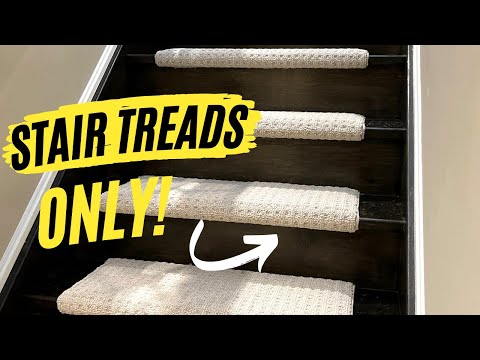
Measure and Cut Carpet Treads
Measure the width and depth of each individual step. If your carpet treads are not pre-sized, you will need to cut them to fit. Use a measuring tape to get the exact dimensions. For a clean cut, use a sharp utility knife or carpet shears. It's often recommended to cut the treads slightly smaller than the step dimensions to ensure they fit without bunching up, especially on the edges.
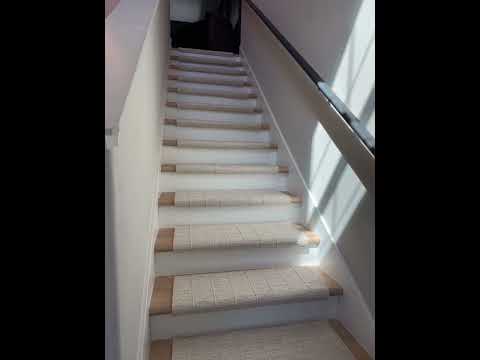
Apply Adhesive
Depending on the type of carpet treads you have, you may need to apply an adhesive. Some treads come with pre-applied adhesive backing, while others require a separate carpet adhesive. If using a separate adhesive, follow the manufacturer's instructions carefully. Typically, this involves spreading a thin, even layer of adhesive onto the back of the tread or onto the step surface using a trowel or putty knife. Ensure complete coverage to prevent lifting.
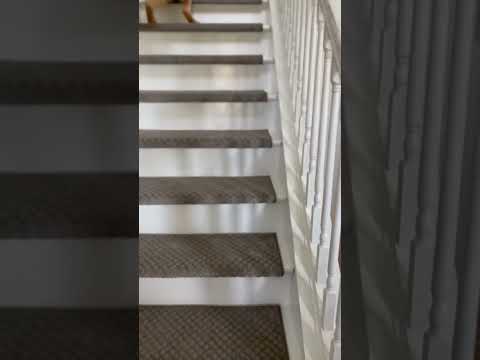
Install Carpet Treads
Once the adhesive is ready (if applicable), carefully align the cut carpet tread with the edges of the step. Starting from one side, press the tread down firmly, working your way across the surface to eliminate any air bubbles and ensure good contact. Pay particular attention to pressing down the edges to prevent snagging or lifting.
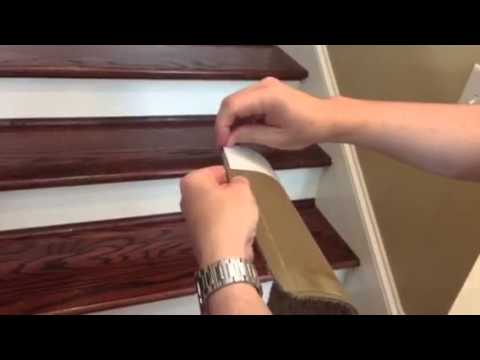
Secure Edges and Allow Curing
After all treads are installed, go back and press down on all the edges one more time. Check for any loose spots or areas that may need extra attention. If your adhesive requires a curing time, avoid heavy foot traffic on the steps for the duration specified by the manufacturer. This allows the adhesive to reach its full bonding strength, ensuring the longevity of the carpet treads.
Frequently Asked Questions
My mobile home steps are a bit uneven. How important is step preparation before installing carpet treads?
Step preparation is crucial for a durable installation. Uneven surfaces or residual debris will prevent the adhesive from bonding properly, leading to treads lifting prematurely. Use a scraper to remove old adhesive or paint, then a wet-dry vacuum to ensure the steps are completely clean and as smooth as possible.
What's the best way to ensure my carpet treads are cut straight and fit perfectly?
Accurate measurement is key; measure each step individually as they can vary slightly. Use a sturdy straightedge as a guide with your carpet knife for clean, straight cuts. For finishing the edges and achieving a professional look, heavy-duty carpet shears are recommended.
What type of adhesive should I use for carpet treads, especially for mobile or modular home steps?
A high-quality, general-purpose carpet adhesive or construction adhesive designed for flooring applications is ideal. Ensure it's compatible with both your carpet treads and the material of your steps. Apply it evenly with a flexible steel putty knife for consistent coverage, but avoid over-applying.
How can I make sure the carpet treads stay securely in place and don't lift after installation?
After positioning each carpet tread, use a J-roller to firmly and evenly press down across the entire surface, paying special attention to the edges. This ensures maximum contact between the tread, adhesive, and step. Allow the adhesive to cure fully, as per the manufacturer's instructions, before heavy use.
What are common mistakes beginners make when installing carpet treads and how can I avoid them?
Common mistakes include not thoroughly cleaning the steps, which leads to poor adhesion, and inaccurate cutting, resulting in gaps or overhangs. To avoid these, take your time with preparation, measure twice before cutting, and apply firm, even pressure with the J-roller to ensure a strong bond.
Is the 4-hour estimated time realistic for a beginner, and what makes this project beginner-friendly?
Yes, the 4-hour estimate is realistic for a beginner as the project relies more on precision and patience than complex skills. It's considered beginner-friendly because it uses common hand tools, doesn't involve structural changes, and the steps are straightforward: clean, measure, cut, and apply.
Questions about your project or which product fits? Oak Valley Designs's team is happy to help. Mon–Fri 9–5 ET
Related Guides
See All
how to give your staircase a makeover with carpet stair treads

how to install carpet stair treads to make hardwood stairs safe for dogs

how to measure stairs to choose the right size carpet stair treads

how to prepare and clean stairs before installing carpet treads

Subscribe for exclusive updates
Be the first to know about promotions, new products, and sales.