

How to Install a Glass Panel Stair Railing
About This Guide
This project outlines the steps for installing a glass panel stair railing system, focusing on securely mounting the glass panels and handrails to create a modern and safe stair enclosure.
Assembled from 13 on-camera clips by 10 independent creators demonstrating these exact steps.
Tools & Materials
Klein Tools Laser Level, Self-Leveling Red Cross-Line Level and Red Plumb Spot (93LCLS)
Klein Tools Laser Level, Self-Leveling Red Cross-Line Level and Red Plumb Spot (93LCLS)
Steps

Mark Glass Panel Positions
Using a tape measure, chalk line, or laser level, carefully mark the exact locations where each glass panel will be installed. This step is critical for ensuring the final railing system is straight, plumb, and aesthetically pleasing. Double-check all measurements and ensure the marks are clear and visible.
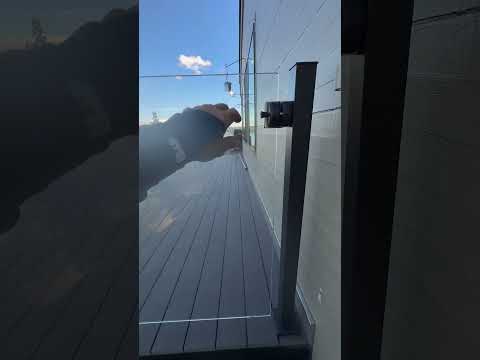
Install Support Posts or Clamps
Begin by installing the primary structural components that will hold the glass panels. If using support posts, anchor them firmly to the stair stringer or subfloor according to the manufacturer's instructions, using appropriate fasteners. If using clamps that attach directly to the stair structure, ensure they are aligned with your marks and securely fastened. Verify that each post or clamp is perfectly plumb and level before proceeding.
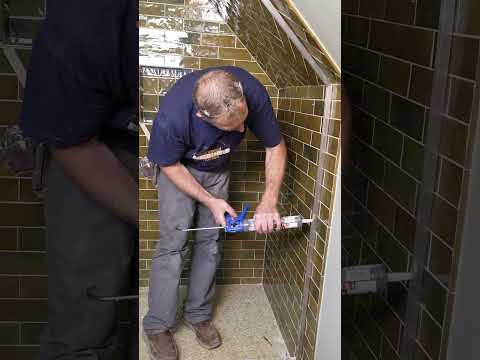
Prepare Glass Panels
Before handling the glass panels, ensure they are clean on all surfaces. Use a glass cleaner and a lint-free cloth to remove any dust, fingerprints, or manufacturing residue. Carefully inspect each panel for any chips, cracks, or imperfections. Remove any protective film slowly and carefully to avoid leaving adhesive residue.

Install Glass Panels
With assistance, carefully lift each glass panel and place it into the designated slots on the support posts or into the jaws of the clamps. Ensure the panels are seated correctly and are aligned with your initial markings. If your system uses gaskets or rubber inserts, ensure they are properly positioned before inserting the glass.
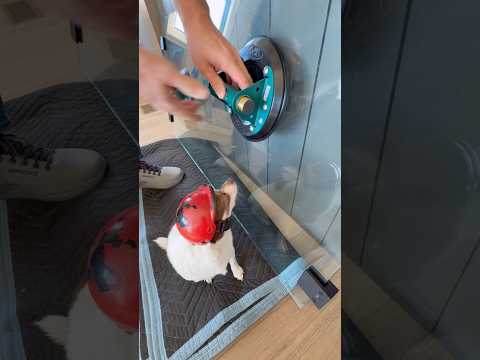
Secure Glass Panels
Once the glass panels are correctly positioned, proceed to secure them. If using clamps, tighten the set screws incrementally and evenly on each side of the clamp to ensure uniform pressure on the glass. Do not overtighten, as this can crack the glass. If your system uses a different securing mechanism, follow the manufacturer's specific instructions.

Install Handrail
Position the handrail along the top of the installed glass panels or onto the designated mounting points on the support posts. Use a level to ensure the handrail is perfectly horizontal. Secure the handrail using the provided brackets, screws, or other fastening hardware, ensuring a strong and stable connection.
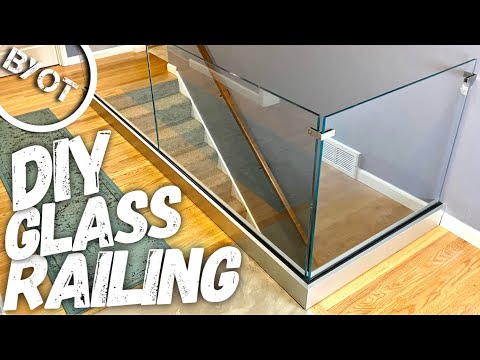
Final Inspection and Cleaning
Walk the length of the railing system and gently test each glass panel and the handrail for stability. Ensure all fasteners are tight (but not overtightened), all panels are correctly aligned, and there are no gaps or wobbles. Clean any remaining smudges or fingerprints from the glass and metal components. Remove any protective films or tape residue.
Frequently Asked Questions
What specialized tools are essential for precise installation of the glass panels and posts?
A laser level, specifically one with self-leveling cross-lines and plumb spots like the Klein Tools 93LCLS, is crucial for ensuring your posts and panels are perfectly plumb and aligned. You'll also need the specific SAE/Metric socket set and T-handle hex key set to securely tighten the various clamps and brackets without stripping them.
What are the most critical safety precautions to take when handling and installing large glass panels?
Always wear heavy-duty cut-resistant gloves and safety glasses to protect against cuts and shattered glass. It's essential to have at least one helper to maneuver the large, heavy panels, as they can be difficult to handle alone. Ensure panels are securely braced or held at all times to prevent accidental drops or tipping.
Given the 'intermediate' difficulty, what aspects of this project are most challenging for a DIYer?
The most challenging parts typically involve achieving precise measurements and perfect alignment for the posts and glass panels, as even small errors can be very noticeable. Securely mounting the posts to withstand significant load, and safely handling the large, fragile glass panels without breakage, also require significant care and patience.
What common mistakes should I look out for when installing the posts and securing the glass panels?
A common mistake is failing to adequately secure the support posts, leading to a wobbly or unstable railing over time. Another frequent error is either over-tightening the glass panel clamps, which can crack the glass, or not tightening them enough, allowing panels to shift. Always double-check all measurements before drilling and before final tightening.
Are there alternative methods or materials for mounting the glass panels if I don't want visible support posts everywhere?
Yes, systems exist that use a bottom track channel to secure the glass directly into the floor, or side-mounted standoff pins into a stair stringer or wall. However, these methods often require specialized tools and professional consultation to ensure proper structural support and adherence to local building codes.
How do I ensure the posts and handrail are strong enough to meet safety standards and support weight?
Properly anchor your posts into structural framing (like studs or floor joists) using appropriate fasteners for your subfloor or wall material. The handrail brackets must also be securely attached to the posts or wall, verifying they can support significant downward and lateral force. Always consult your local building codes for specific load requirements.
Do I need a permit for this project, and what code requirements should I be aware of for glass railings?
Many localities require permits for stair railing modifications, so always check with your local building department before starting. Key code requirements often include minimum railing height, maximum spacing between panels, glass tempering or lamination specifications, and the ability of the railing to withstand a certain amount of force.
Questions about your project or which product fits? Oak Valley Designs's team is happy to help. Mon–Fri 9–5 ET
Related Guides
See All
how to give your staircase a makeover with carpet stair treads

how to install carpet stair treads to make hardwood stairs safe for dogs

how to measure stairs to choose the right size carpet stair treads

how to prepare and clean stairs before installing carpet treads

Subscribe for exclusive updates
Be the first to know about promotions, new products, and sales.