
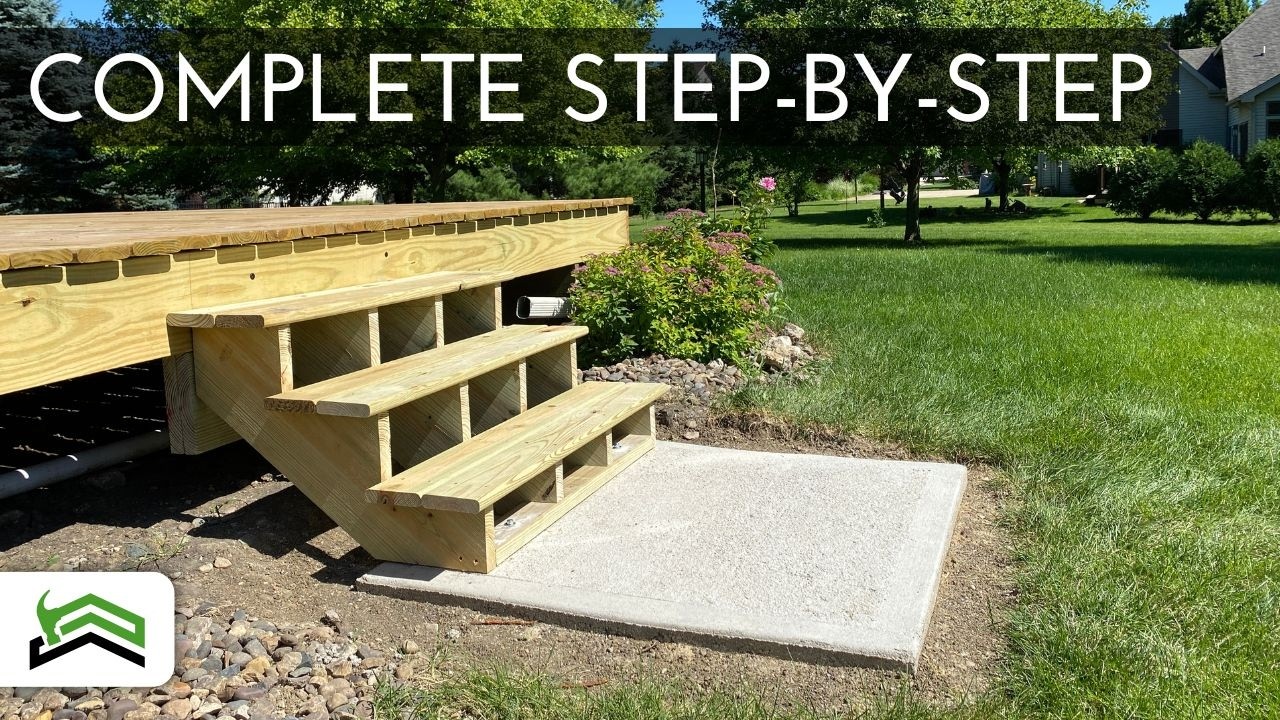
How to Build Deck Stairs with Pre-Cut Stringers
About This Guide
Outline for building deck stairs using pre-cut stringers, focusing on safe attachment and proper support.
Assembled from 11 on-camera clips by 10 independent creators demonstrating these exact steps.
Tools & Materials
Pylex 3-Steps Steel Stair Stringer black 7-1/2 in. x 10-1/4 in. (Includes 1 Stair Stringer) 13903
SPAX 3/8 in. x 6 in. Exterior Hex Head Structural Wood Lag Screws Powerlags Hex (25 Each) Bit Included 4571821001525
Pylex 3-Steps Steel Stair Stringer black 7-1/2 in. x 10-1/4 in. (Includes 1 Stair Stringer) 13903
SPAX 3/8 in. x 6 in. Exterior Hex Head Structural Wood Lag Screws Powerlags Hex (25 Each) Bit Included 4571821001525
Steps
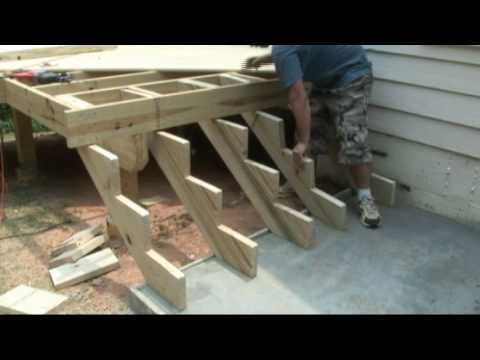
Attach Stringers to Deck Frame
Position the top of each stair stringer flush against the deck ledger board. Ensure the stringers are plumb and parallel to each other. Secure the stringers to the ledger board using lag screws or structural screws specifically designed for exterior wood construction. Drive the screws through the stringer and into the ledger board, ensuring at least two screws per stringer. For added support, if the stringer extends past the rim joist, secure the bottom of the stringer to the deck frame joist using appropriate fasteners, such as joist hangers or structural screws, following manufacturer recommendations for load-bearing connections.
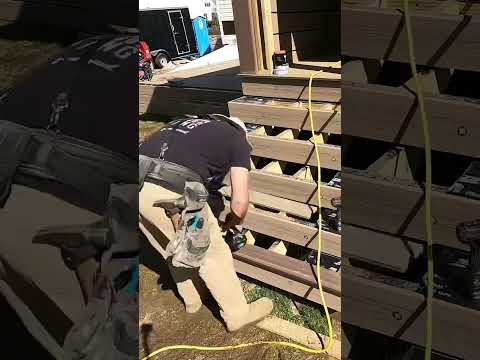
Install Bottom Support (Optional but Recommended)
If your stairs are tall or will experience significant traffic, it is recommended to provide a solid base. Dig a hole and pour a concrete footing, or attach a treated lumber support block to the ground or a stable existing structure. Ensure the top of the support is level and at the correct height to receive the bottom of the stringers. If using a concrete footing, use a post anchor to connect the stringer to the concrete. If using a lumber block, secure the stringer to the block with appropriate fasteners.

Install Treads
Place the first tread onto the bottom steps of the stringers. Ensure the tread is level and its front edge overhangs the riser slightly (typically 1 inch). Secure the tread by driving screws through the tread and into the stringer notches. Use at least two screws per stringer. Repeat this process for each subsequent tread, working your way up the stairs. Ensure each tread is level and consistently spaced from the one below.
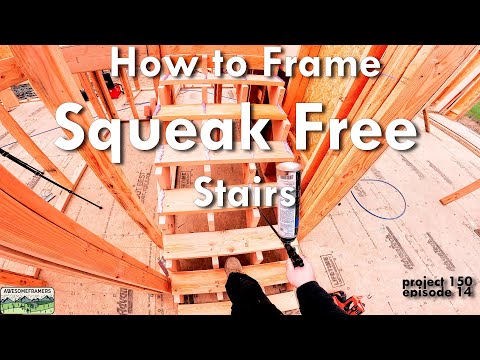
Install Risers (Optional)
If you are adding risers, cut pieces of lumber to fit snugly between the front of one tread and the back of the tread above. Align the top of the riser with the underside of the tread. Secure the riser by driving screws through the riser into the back of the tread above and into the stringer. Repeat for all steps.

Install Handrails and Balusters
Securely attach the bottom of the stair stringers to the deck frame using appropriate fasteners, such as structural screws or bolts. The top of the stringers should already be secured to the deck ledger. If handrails are required by local code, install handrail posts at the top and bottom of the stairs, and potentially at intermediate points for longer runs. Posts should be securely bolted to the deck frame or substructure. Attach balusters to the treads or stringers, spaced according to local building codes (typically no more than 4 inches apart). Finally, attach the handrail to the posts, ensuring it is at the correct height (usually 34-38 inches from the tread surface).
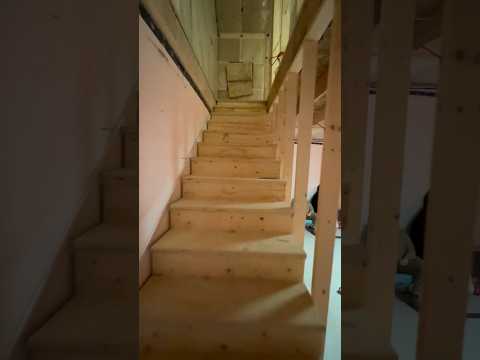
Inspect and Finish
Walk the stairs and test for any wobble or instability. Check that all screws and fasteners are tight and properly seated. Ensure treads are level and secure, and that the handrail is sturdy. Sand down any rough edges or splinters on the wood. Apply a sealant, stain, or paint to protect the wood from the elements and enhance its appearance, following the manufacturer's instructions for application and drying times.
Frequently Asked Questions
How difficult is building deck stairs with pre-cut stringers for a beginner, and what's a realistic time commitment?
This project is rated beginner-friendly because pre-cut stringers simplify layout, but precise measuring, leveling, and secure fastening are crucial. Plan for about two days: one for digging footings and setting concrete (allowing cure time), and another for assembly, tread installation, and railing. Always prioritize accuracy over speed.
What are the essential tools and materials I'll definitely need for the stair construction phase?
For building the core stairs, you'll need a measuring tape, level, shovel for footings, and a drill/driver for screws. Key materials include your pre-cut stringers, composite deck boards for treads, concrete mix for footings, and appropriate structural screws. Tools like railing kits, paint brushes, or sealant are generally for later finishing steps after the main structure is complete.
Do I really need to install a concrete footing for the bottom of the stairs, or can I skip it?
While listed as optional, installing a concrete footing is highly recommended for stability and longevity. It prevents the stringers from sinking into the ground, protects them from moisture, and ensures a solid, level base for your stairs. This step significantly improves the overall safety and durability of your staircase.
What are the most common mistakes beginners make when attaching stringers to the deck frame?
A common mistake is not ensuring the stringers are perfectly plumb, square, and level before permanent fastening, which leads to uneven steps and a wobbly feel. Another error is using inadequate fasteners or not using proper structural connections to the deck ledger board, which compromises the entire stair's stability. Always double-check your measurements and connections.
How do I ensure my deck stairs are safe, sturdy, and don't wobble once completed?
Sturdiness comes from precise measurements, solid attachment points at both the deck frame and the ground footing, and using the correct structural screws and connectors. Ensure your stringers are evenly spaced and supported, your treads are securely attached with at least two screws per stringer, and verify all connections against local building codes. Perform a 'shake test' before final use.
What are some crucial safety precautions I should take when building deck stairs?
Always wear appropriate personal protective equipment, including safety glasses and work gloves, especially when cutting, drilling, or mixing concrete. Be mindful of tripping hazards from tools and materials in your work area. Ensure your ladder or work surface is stable, and if lifting heavy materials like timbers, consider getting help to prevent injury.
Questions about your project or which product fits? Oak Valley Designs's team is happy to help. Mon–Fri 9–5 ET
Related Guides
See All
how to give your staircase a makeover with carpet stair treads

how to install carpet stair treads to make hardwood stairs safe for dogs

how to measure stairs to choose the right size carpet stair treads

how to prepare and clean stairs before installing carpet treads

Subscribe for exclusive updates
Be the first to know about promotions, new products, and sales.