
Sand the Repaired Area Smooth
From How to Patch Dents and Scuffs on Stairwell Walls · Step 4 of 6 · Video by Home Repair Tutor
Showing 0:13–0:19 of the source video. Watch the full video with every moment.
What happens in this clip
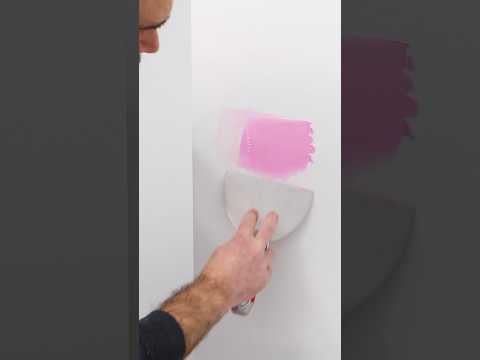
Once the spackling compound has dried (it will typically turn white when dry, though this color change isn't explicitly shown in the short clip, it's implied by the subsequent step), use a sanding block to sand the repaired area. Sand gently in a circular or back-and-forth motion until the surface is smooth and flush with the rest of the wall.
Goal: Create a smooth, flush surface after spackling
What's used
Tools
- Sanding Block
- Piece of fine-grit sandpaper
About the full video
This project demonstrates a quick and easy method to repair small pinholes or divots in drywall using color-changing spackling compound. The process involves identifying the imperfections, applying the spackling, allowing it to dry, sanding it smooth, and then painting over it.
Step 4 of 6: Sand the Repaired Area
Once the spackling compound is completely dry, use a fine-grit sandpaper (120-220 grit) to gently sand the repaired area. The goal is to create a smooth surface that is perfectly level with the rest of the wall. Sand in a circular motion, applying light pressure. Wipe away the dust with a dry cloth after sanding.
Every video in How to Patch Dents and Scuffs on Stairwell Walls
Step 1: Clean the Damaged Area
- 0:00–0:00 Clean the Damaged Area
- 0:18–0:24 Clean Around the Hole
- 0:06–0:07 Clean the Surface
Step 2: Apply Spackling Compound
- 0:56–1:10 Apply Spackling Compound
- 0:06–0:09 Apply Spackle to Imperfections
- 1:01–1:13 Spackling Small Holes
Step 3: Allow Spackling Compound to Dry
- 1:10–1:14 Allow Spackling Compound to Dry
- 0:09–0:12 Allow Spackle to Dry
- 0:45–1:00 Allow Spackle to Dry Completely
Step 4: Sand the Repaired Area
- 0:13–0:19 Sand the Repaired Area Smooth (this video)
- 0:45–0:50 Sand and Clean the Repaired Area
- 0:43–0:47 Sand the Area Smooth
Step 5: Prime the Repaired Area
- 11:17–11:55 Prime the Repaired Area
- 4:04–4:20 Prime and Paint Repaired Area
- 0:47–0:54 Prime the Repaired Area
Step 6: Paint the Repaired Area
- 0:49–0:56 Paint Repaired Area
- 0:24–0:28 Paint the Repaired Area
- 1:40–1:45 Apply Topcoat Paint
Questions about How to Patch Dents and Scuffs on Stairwell Walls
How can I make sure the patched area blends seamlessly with the rest of the wall?
Achieving a seamless patch requires smooth spackle application, thorough sanding until the patch is perfectly flush, and priming. Feathering the edges of the spackle and then the paint will help prevent noticeable lines or texture differences. Don't skip the priming step, as it helps paint adhere evenly.
Why does this beginner project take two days, and can I speed it up?
The two-day estimate primarily accounts for crucial drying times for the spackling compound and primer, which ensure a durable and smooth finish. While you can't safely rush drying without compromising the repair, you can efficiently use the waiting periods by preparing other areas or cleaning tools.
Do I need a specific type of spackling compound for stairwell dents?
For typical dents and scuffs, a lightweight spackling compound like DAP Fast 'N Final is ideal because it dries quickly, shrinks minimally, and is easy to sand. For deeper gouges, you might opt for a vinyl spackle, but for most stairwell wall damage, the recommended lightweight type works perfectly.
What safety precautions should I take when patching and painting in a stairwell?
Ensure good ventilation by opening windows or using a fan to disperse dust from sanding and fumes from paint. Always wear a dust mask during sanding to avoid inhaling particles. When working on stairs, use a stable, appropriate-sized ladder or step stool and ensure it's securely placed to prevent falls.
My spackle patch looks uneven after drying; what went wrong?
Unevenness often results from applying too much spackle at once or not feathering the edges. Apply spackle in thin layers, allowing each to dry, and use your putty knife to remove excess as you apply. You can always sand down high spots, but it's easier to build up thin layers for a smooth finish.
Are there any common mistakes beginners make that I should avoid?
A common mistake is not fully cleaning the area before spackling, which can prevent adhesion. Another is not allowing enough drying time between coats of spackle, primer, and paint, leading to cracking or poor adhesion. Finally, inadequate sanding can leave noticeable bumps, so take your time to achieve a perfectly smooth surface.
How to Patch Dents and Scuffs on Stairwell Walls
This project involves patching dents and scuffs on stairwell walls to restore their appearance.
Read the full guide Browse all guides
Planning this project? Shop Oak Valley Designs.

Subscribe for exclusive updates
Be the first to know about promotions, new products, and sales.