
Final Inspection and Cleanup
From How to Cover a Worn Landing Carpet with a Landing Rug · Step 6 of 6 · Video by Carpet Repair Guys
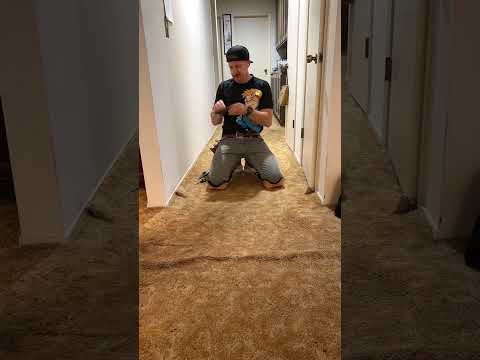
Showing 0:32–0:41 of the source video. Watch the full video with every moment.
What happens in this clip
Walk through the repaired area once more to confirm that all wrinkles and looseness have been eliminated and the carpet is uniformly taut. Check all edges to ensure they are properly tucked and secure. Collect all tools and dispose of any carpet trimmings or debris. The carpet should now be flat, smooth, and safe, significantly improving the room's appearance.
Goal: Perform a final visual inspection of the re-stretched carpet to ensure it is smooth and taut, then clean up any tools and debris.
About the full video
This video demonstrates the process of repairing a loose and wavy carpet in a hallway through re-stretching. The repair aims to eliminate tripping hazards, remove unsightly wrinkles, and restore the carpet's tautness and smooth appearance. While the provided context suggests 'Carpet Pile Flattening Repair using Steamer Treatment', the video explicitly shows techniques and tools for carpet re-stretching rather than steaming to restore flattened pile.
What's said in this clip
Tuesday who could hang a name on you when you change with every new day still I'm going to miss you and speaking of saying goodbye on a Tuesday see you 2024 hope you have a happy New Year Ruby keep it groovy
Automatically transcribed from the source video.
Step 6 of 6: Final Inspection and Smoothing
Walk over the newly installed landing rug to confirm it is securely fastened and does not shift. Run your hands over the surface to ensure there are no bumps, ripples, or uneven areas. Smooth out any remaining minor wrinkles by hand or with a soft brush. Confirm that the edges are properly aligned and that the overall appearance is tidy and professional.
Every video in How to Cover a Worn Landing Carpet with a Landing Rug
Step 1: Inspect Existing Landing Surface
- 0:00–0:10 Assess Damage and Plan Repair
- 0:00–0:13 Assess Damage and Remove Old Carpet
- 0:00–0:04 Assess Carpet Condition
Step 2: Clean the Existing Landing Surface
- 0:03–0:16 Vacuum the Carpet
- 0:11–0:20 Prepare the Floor for Rug Placement
- 0:02–0:04 Clean Floor Surface
Step 3: Measure and Select Landing Rug
- 1:34–1:49 Determine Rug Shape and Size
- 7:25–7:59 Measuring Entryway for Area Rug
- 1:04–2:19 Measure Top Landing Dimensions
Step 4: Position the New Landing Rug
- 0:01–0:09 Unroll and Position the Rug
- 5:50–6:50 Install Rectangular Rug at Front Door
- 0:04–0:07 Position New Rug
Step 5: Secure the Landing Rug
- 0:12–0:35 Secure the Rug
- 4:03–5:27 Secure the Rug with Carpet Tape
- 4:03–5:27 Secure the Rug with Carpet Tape
Step 6: Final Inspection and Smoothing
- 0:51–0:58 Final Inspection and Result
- 5:56–6:12 Final Inspection and Detail Work
- 0:32–0:41 Final Inspection and Cleanup (this video)
Questions about How to Cover a Worn Landing Carpet with a Landing Rug
How do I ensure my new landing rug won't slip or become a tripping hazard?
Use a high-quality non-slip rug pad, such as the nuLOOM Premium Eco Friendly Non-Slip Dual Surface Rug Pad, underneath your rug. For added security, especially on stairs or high-traffic areas, secure the rug and pad to the existing carpet with carpet installation tape like the ROBERTS Max Grip tape. Always ensure the rug lies completely flat without any buckles.
What should I do if my existing landing carpet is very dirty or has minor damage?
Thoroughly clean the existing landing carpet before placing the new rug. For heavy soiling, use a powerful vacuum like the OVENTE Bagless Corded HEPA filter Multisurface Black Canister Vacuum Cleaner or consider renting a Rug Doctor for a deeper clean. If there's minor damage, ensure the new rug fully covers it and doesn't create an uneven surface that could cause future wear.
How do I accurately measure for the landing rug to ensure a good fit?
Use a measuring tape to determine the length and width of your landing area. It's generally recommended to choose a rug that is slightly smaller than the landing, allowing a border of 3-6 inches of the existing carpet to show. This gives a finished look and prevents the rug from being too crowded against walls or railings.
Are there any alternatives to using carpet installation tape for securing the rug?
While carpet installation tape provides strong security, a high-quality, dense rug pad with excellent grip can sometimes be sufficient for very low-traffic landings. Some people use hot glue or silicone adhesive for a more permanent bond, but these can damage the underlying carpet and make future removal difficult.
What's the biggest mistake beginners make when covering a worn landing carpet, and how can I avoid it?
The most common mistake is neglecting proper preparation and securing. Failing to thoroughly clean the existing surface can lead to odors or an uneven lay, while not securing the rug and pad adequately creates a dangerous slipping hazard. Always prioritize cleaning and use appropriate methods like a non-slip pad and carpet tape.
How difficult is this project, and how long should it realistically take a beginner?
This project is rated as beginner difficulty, making it very accessible for DIY novices. For most individuals, it should realistically take between 1 to 2 hours to complete, assuming all necessary tools and materials are gathered beforehand. The time can vary slightly based on the size of your landing and the thoroughness of the cleaning.
How to Cover a Worn Landing Carpet with a Landing Rug
This project outlines the process of covering a worn carpet landing with a new landing rug. It involves preparing the existing surface, selecting the appropriate rug, and securing it to prevent slipping and ensure a neat appearance.
Read the full guide Browse all guides
Planning this project? Shop Oak Valley Designs.
Subscribe for exclusive updates
Be the first to know about promotions, new products, and sales.