
Fill and Caulk Imperfections
From How to Stage Stairs for Selling a Home · Step 3 of 6 · Video by Refresh Home Improvements
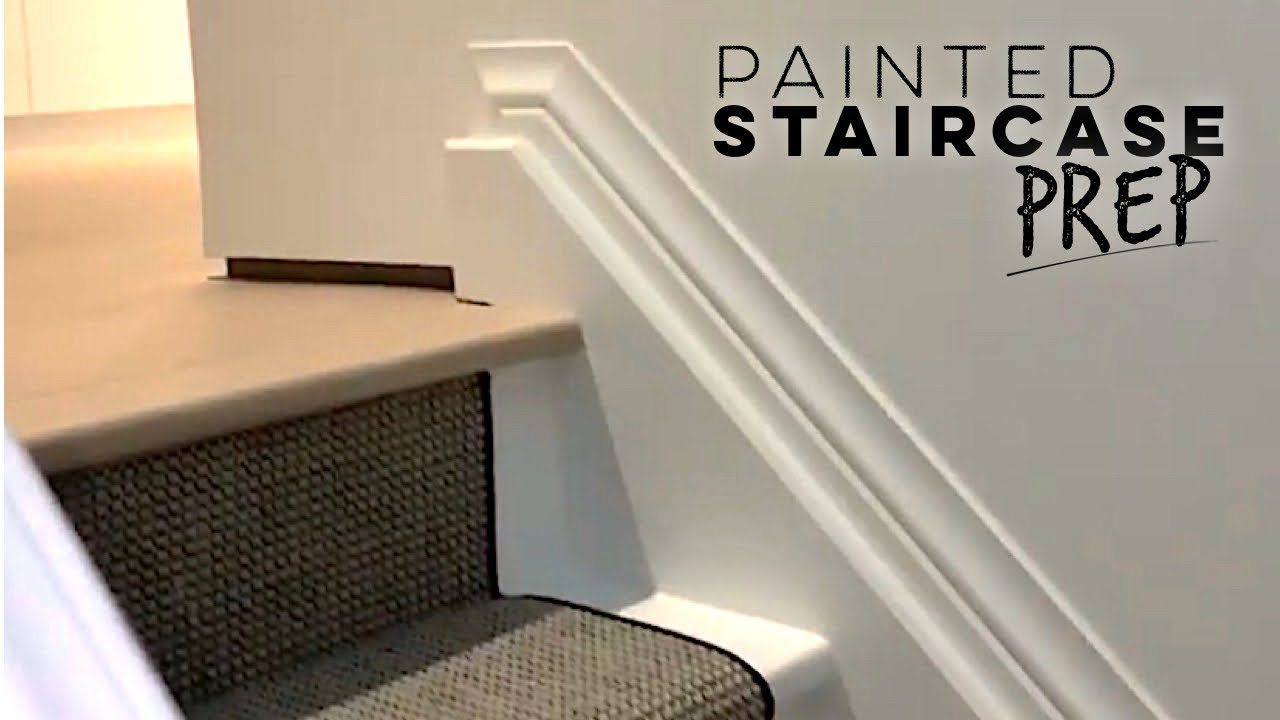
Showing 0:02–1:23 of the source video. Watch the full video with every moment.
What happens in this clip
Begin the preparation by addressing any cracks, bumps, or imperfections on the staircase treads, risers, handrails, and balusters. Apply DAP Wood Pro wood filler to areas requiring rigid repair, such as deep cracks in the treads and risers. For smoother surfaces like the stringers and trim, use DAP Alex Flex flexible spackling, ensuring a thin, even coat for a blemish-free finish. For larger, more flexible gaps, such as along the newel posts or where balusters meet the handrail, apply DAP Dynaflex Ultra Advanced Exterior Sealant using a caulk gun. Smooth all applied materials immediately after application to ensure a flush surface. Wipe away excess product with a wet sanding sponge or cloth.
What's used
Tools
- Caulk Gun
- DAP Alex Flex Flexible Spackling
- DAP Dynaflex Ultra Advanced Exterior Sealant
- DAP Wood Pro Wood Filler
- Paint Tray with Water
- Putty Knife/Scraper
- Sanding Sponge
About the full video
This video details the process of preparing a staircase for painting, focusing on filling cracks, bumps, and imperfections, as well as sealing gaps. It showcases the application of various fillers and caulking products, followed by sanding and priming, ultimately leading to a smooth, paint-ready surface. The video then concludes by showing the final painted and carpeted staircase.
Step 3 of 6: Perform Minor Repairs
Inspect the entire staircase for any loose balusters, handrails, or treads. Tighten screws or use wood glue and clamps for minor wood repairs. Fill small holes or cracks in walls or trim with spackle or wood filler and sand smooth once dry. Touch up any scuffed paint on walls, trim, or the stairs themselves with matching paint. Replace any burnt-out light bulbs in the stairwell fixtures.
Every video in How to Stage Stairs for Selling a Home
Step 1: Declutter Staircase
- 0:32–0:53 Declutter the Interior Entrance
- 0:31–0:43 Organize and Remove Clutter from Floor
- 3:38–4:34 Declutter and Remove Valuables
Step 2: Thoroughly Clean Staircase
- 5:27–5:57 Vacuum Each Stair Step
- 0:54–2:44 Vacuum the Staircase
- 2:55–4:34 Deep Clean Staircase
Step 3: Perform Minor Repairs
- 1:22–1:50 Remove Door Hardware and Fill Imperfections
- 0:09–0:14 Repair and Prepare Stair Structure
- 0:02–1:23 Fill and Caulk Imperfections (this video)
Step 4: Enhance Lighting
- 0:14–0:21 Install Stair Tread Lighting
- 0:06–0:07 Observe Finished Stair Lighting
- 5:12–5:39 Install Second Lighting Fixtures and Test
Step 5: Add Decorative Touches
- 6:24–7:03 Extend Decor to Practical Spaces
- 8:18–9:01 Final Decor Touches
- 0:03–0:09 Add Decorative Touches
Step 6: Final Inspection and Touch-up
- 26:25–26:33 Final Touches and Inspection
- 0:45–0:59 Final Touches and Inspection
- 1:40–1:53 Final Touches & Inspection
Questions about How to Stage Stairs for Selling a Home
Is staging stairs a difficult DIY project, and how much time should I allocate?
This is a beginner-friendly DIY project, primarily involving cleaning, minor repairs, and light decorating. Most tasks are straightforward and don't require specialized skills. You should allocate approximately 4 hours to thoroughly complete all steps, from decluttering to final decorative touches and inspection.
What specific tools and materials are essential for successfully staging my stairs?
For cleaning, you'll need a vacuum, broom, mop, bucket, and cleaning towels. Minor repairs require a screwdriver set, putty knife, wood filler, wood glue, and sandpaper. For aesthetic enhancements, consider a warm LED light bulb, microfiber cloths for wood, and potentially a neutral stair runner.
What common mistakes should I avoid when staging my staircase for potential buyers?
A common mistake is over-decorating, which can make the space feel cluttered and distract from the stairs themselves. Also, neglecting minor repairs like scuffed paint or loose railings sends a negative signal to buyers. Ensure the lighting is warm and inviting, not dim or harsh, to create a welcoming impression.
What are some effective yet simple decorative touches for stairs, and is a stair runner always necessary?
Simple decorative touches include a well-chosen piece of artwork on a landing or a small, elegant plant that doesn't obstruct the path. A neutral stair runner can add warmth, reduce noise, and protect stairs, but it's not strictly necessary if your stairs are in excellent condition. The goal is to enhance, not overwhelm.
Are there any safety precautions I should keep in mind while working on or staging the stairs?
Always ensure the stairs are clear and dry, especially after cleaning, to prevent slips and falls. When performing repairs, immediately secure any loose banisters or railings to prevent accidents. Good lighting not only enhances visual appeal but also significantly improves safety for anyone using the staircase.
How to Stage Stairs for Selling a Home
Provide a high-level outline for staging stairs in a home to enhance its appeal for potential buyers. This includes decluttering, cleaning, minor repairs, and decorative touches to make the staircase a focal point.
Read the full guide Browse all guides
Planning this project? Shop Oak Valley Designs.

Subscribe for exclusive updates
Be the first to know about promotions, new products, and sales.